Bangkok
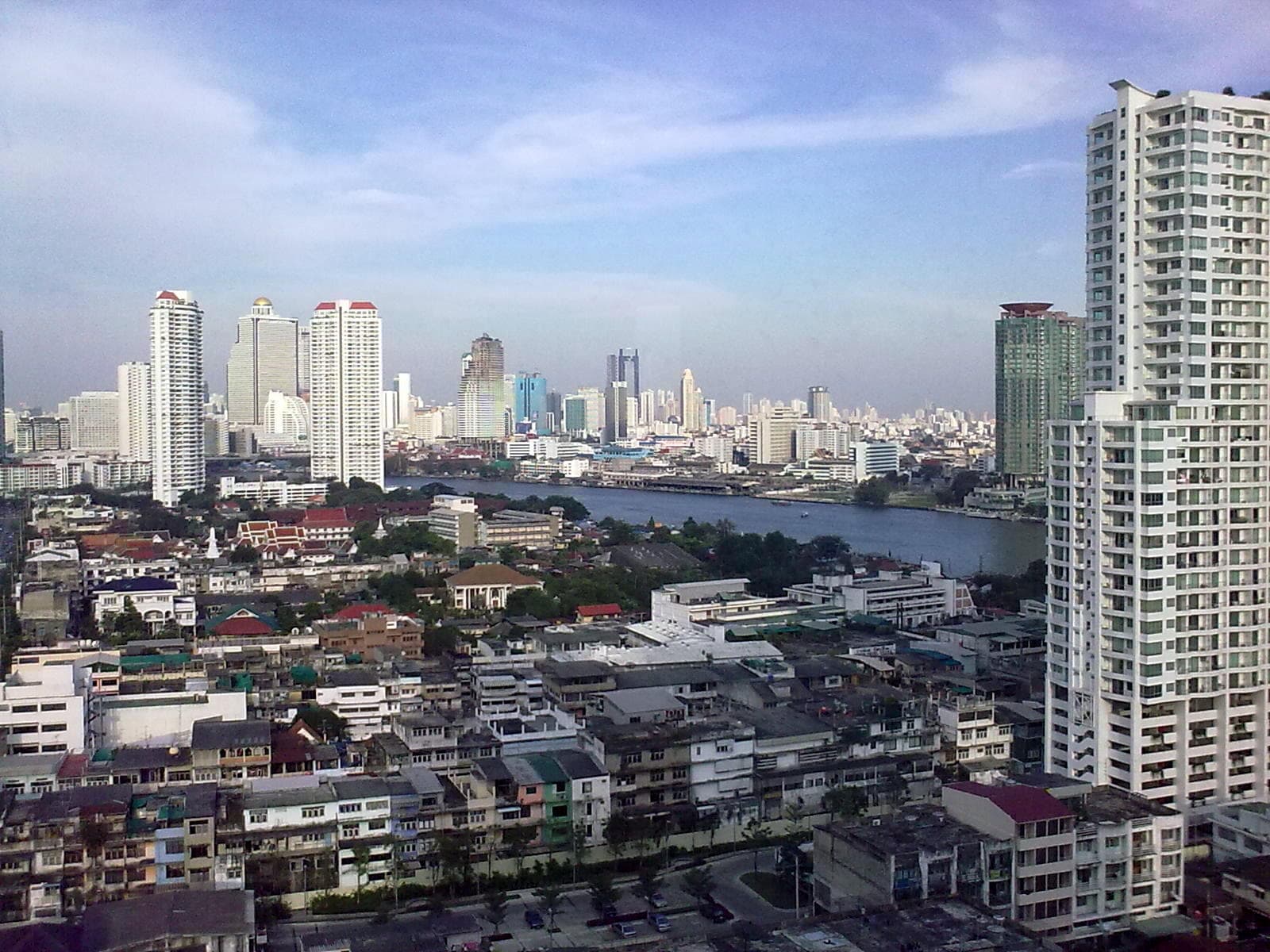
Backstreet cycling, canal longtails, muay thai nights and the launch pad for every Thai adventure.

Limestone towers to climb, reefs to dive, rainforest to trek and warm seas to paddle — from the misty mountains of the north to the islands of two coasts. Twelve destination guides show you where to go, when, and what is really worth booking.
Thailand stretches more than 1,600 km from the hills of the Golden Triangle to the Malay border, and its landscapes change completely along the way. The north is mountain country: teak forest, rice terraces, hill villages and the rivers that carve through them. The central plains hold Bangkok, the ruined capitals of old Siam, and — within three hours of the city — waterfalls, wild elephants and the River Kwai. In the south the land narrows to a peninsula with a different sea on each side: the Andaman coast of sheer limestone islands, and the Gulf of Thailand with its coconut islands and beginner-friendly reefs.
What makes the country special for active travellers is how accessible it all is. You can learn to climb, dive or kayak with patient professionals at modest prices, sleep in a village or on a floating raft house, and still be a short flight from a city of ten million. This site gives each main base its own six-page guide, sorts the country’s adventures by activity, explains the two monsoons that decide which coast to choose, and is frank about what to avoid — starting with elephant rides.
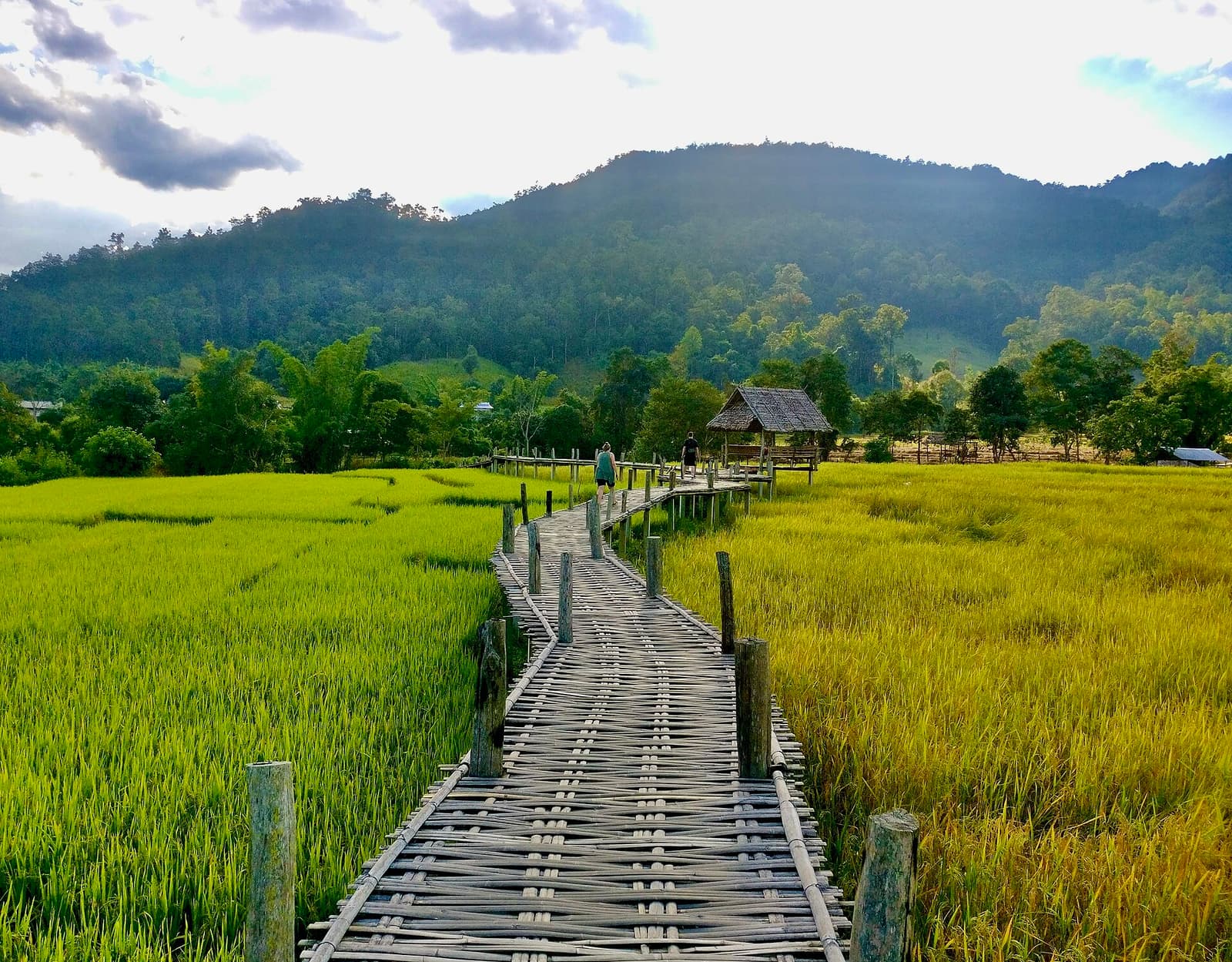
Mountains in the north, jungle and waterfalls near Bangkok, limestone and reefs on two coasts — each destination has its own tours, sights, transport, travel-guide and seasons pages.
Backstreet cycling, canal longtails, muay thai nights and the launch pad for every Thai adventure.
Jungle treks, ethical elephant sanctuaries, ziplines, white water and Thailand’s highest mountain.
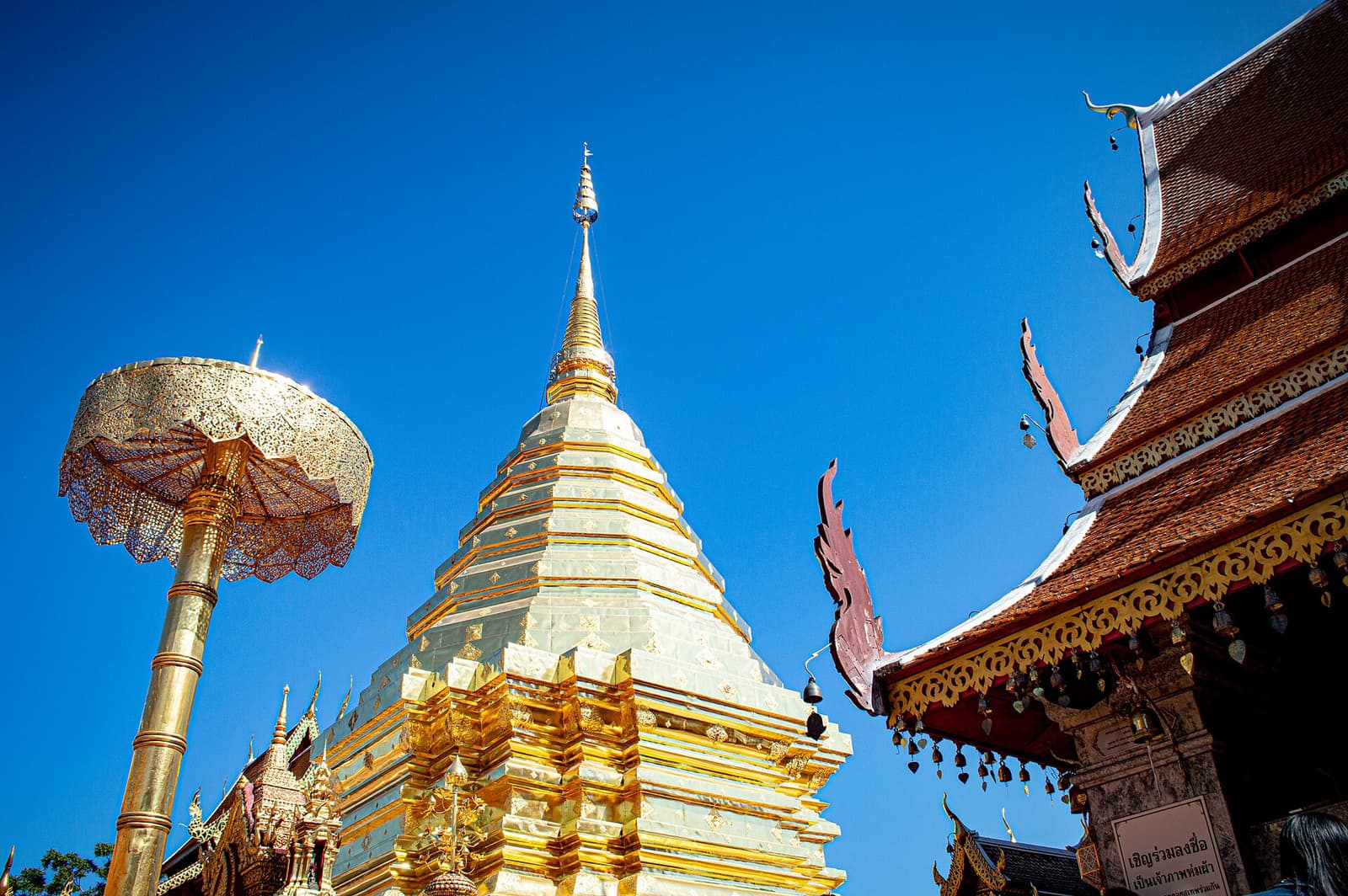
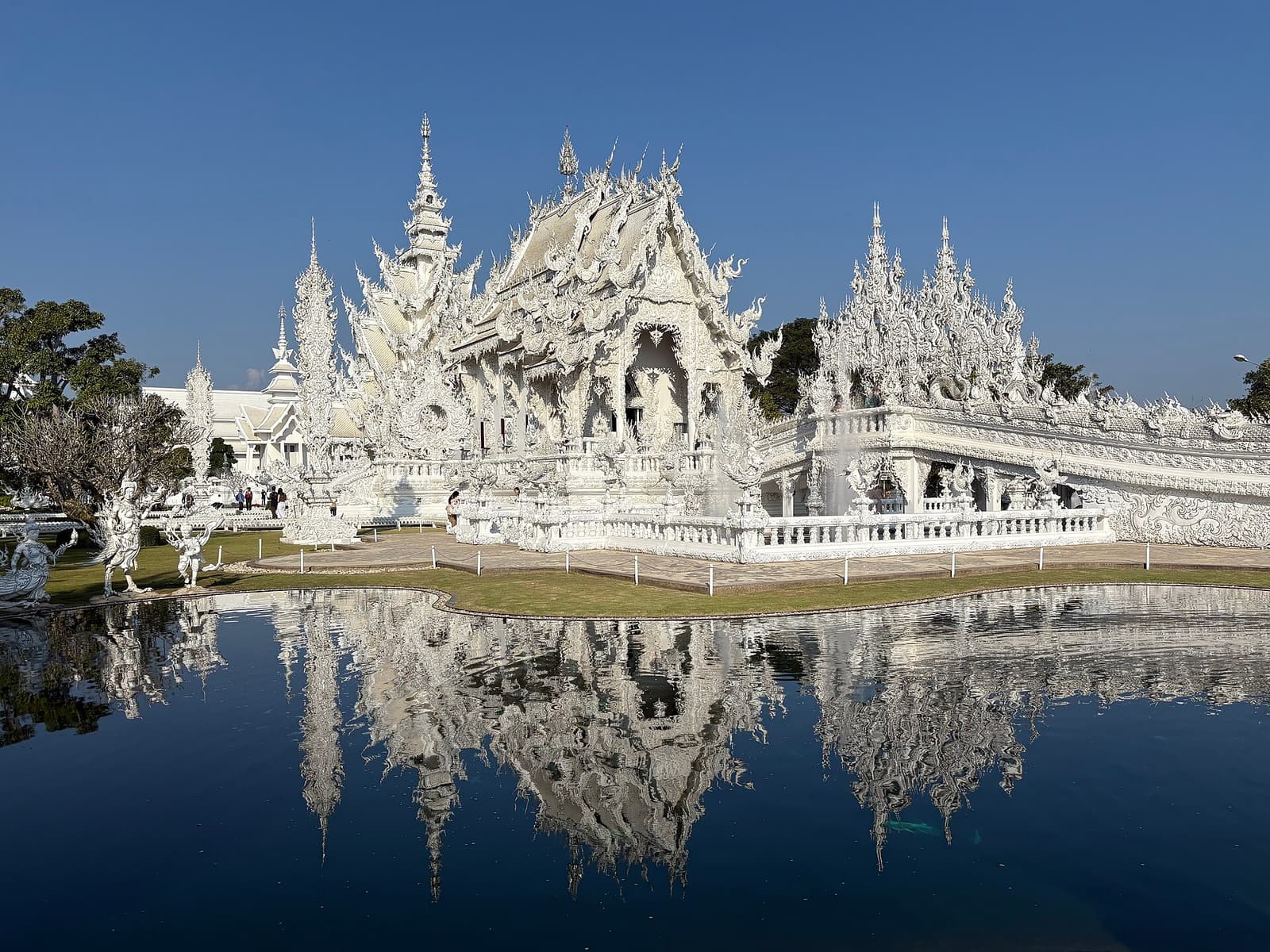
Tea-country ridges, Mekong boat trips, sunrise cliffs and Thailand’s boldest temple art.
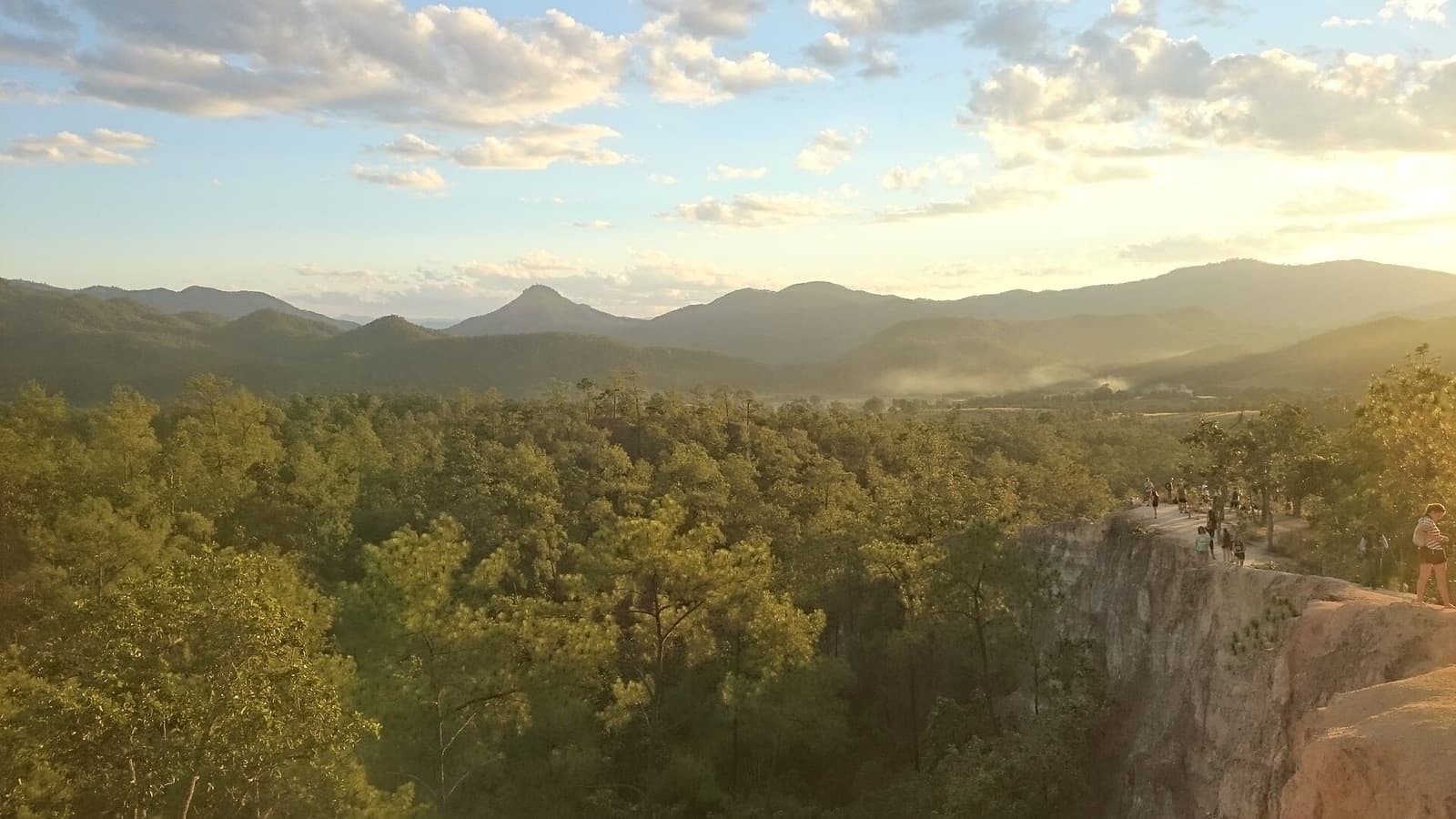
A mountain valley of canyon ridges, hot springs and river caves, on the road to Thailand’s remotest province.
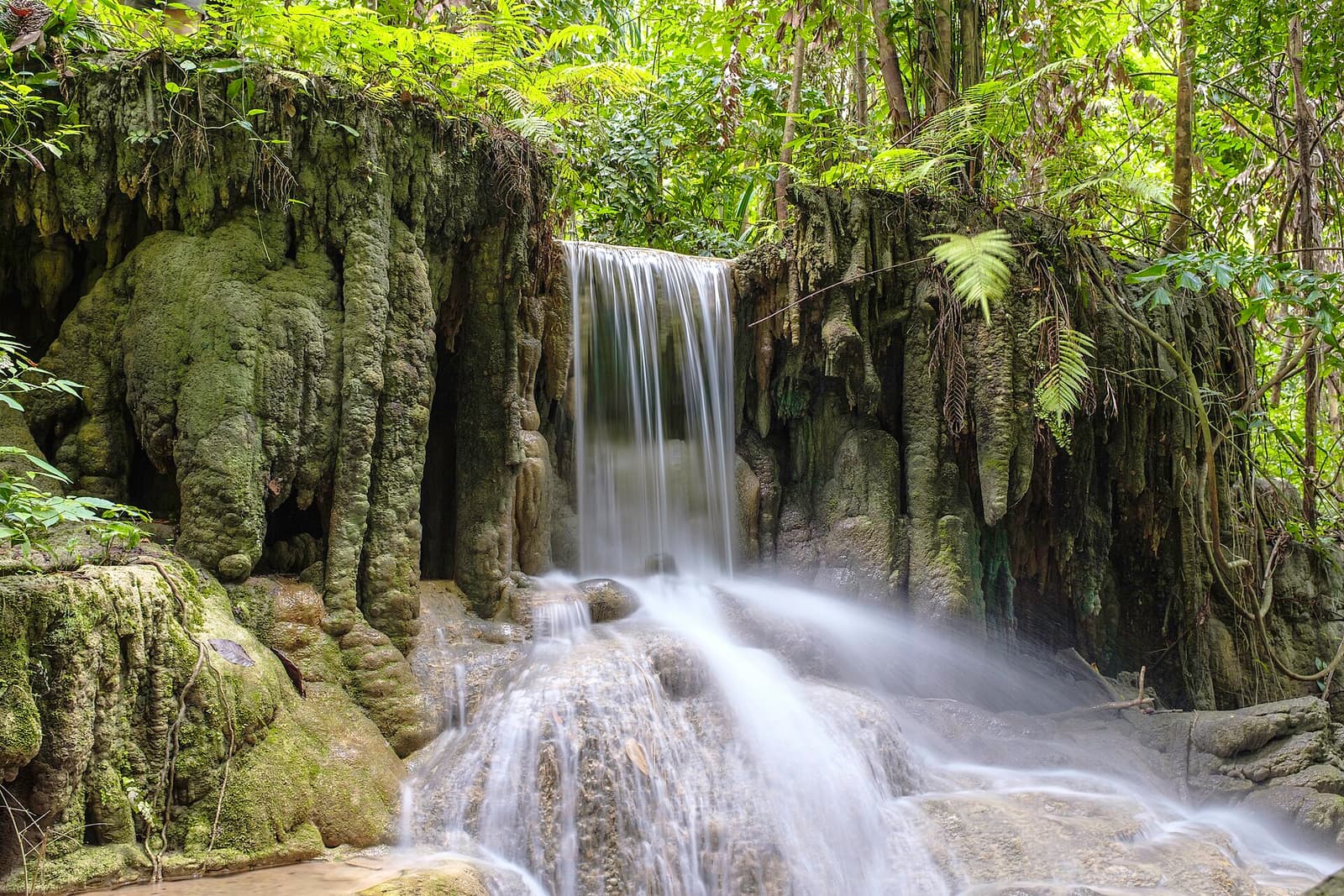
Seven tiers of emerald waterfall, river kayaking and raft houses, and the sobering history of the Death Railway.
Thailand’s first national park: wild elephants, gibbons, hornbills, jungle trails and night safaris.
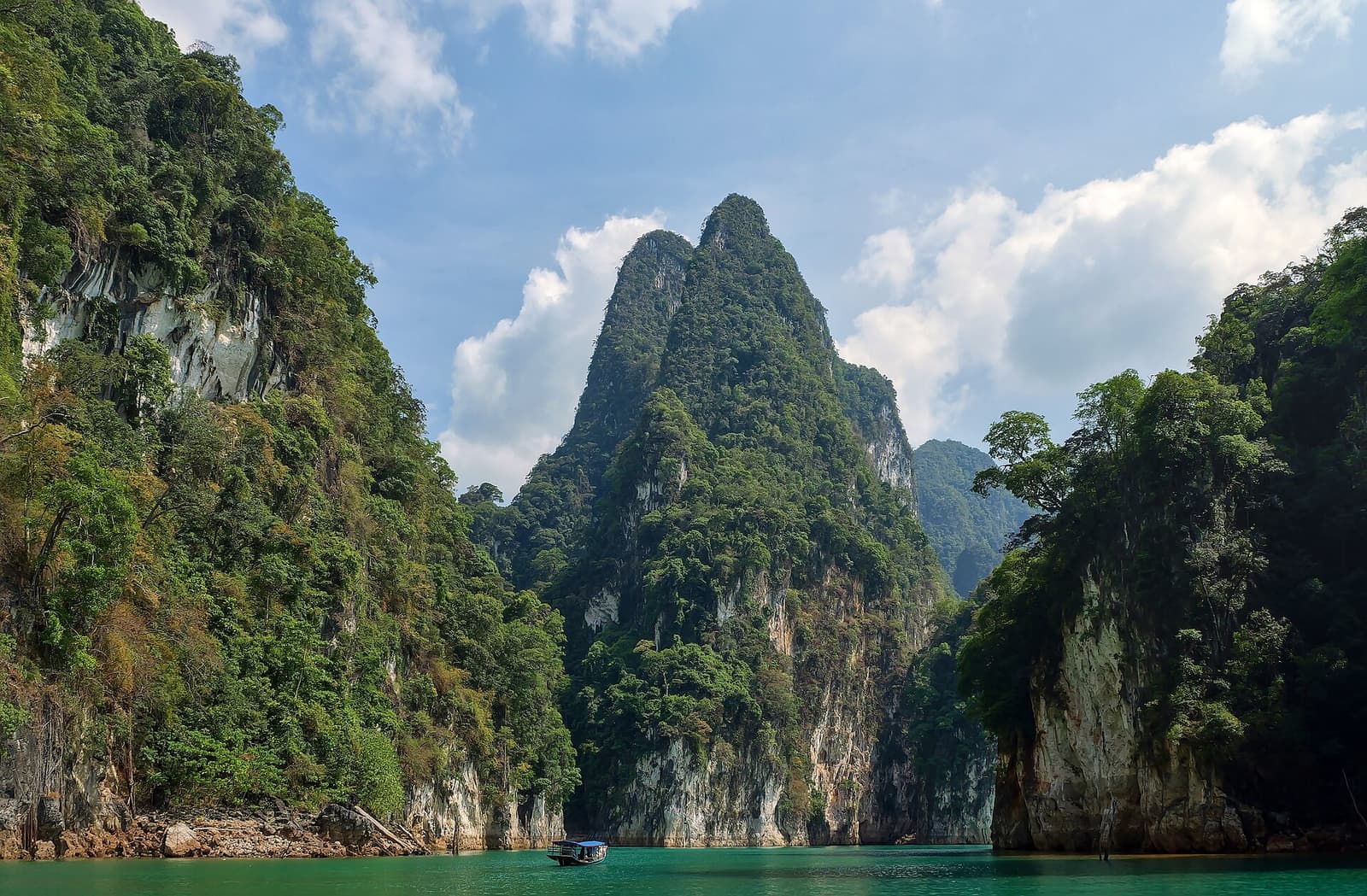
Ancient rainforest, a flooded karst lake, floating raft houses and jungle rivers between the two coasts.
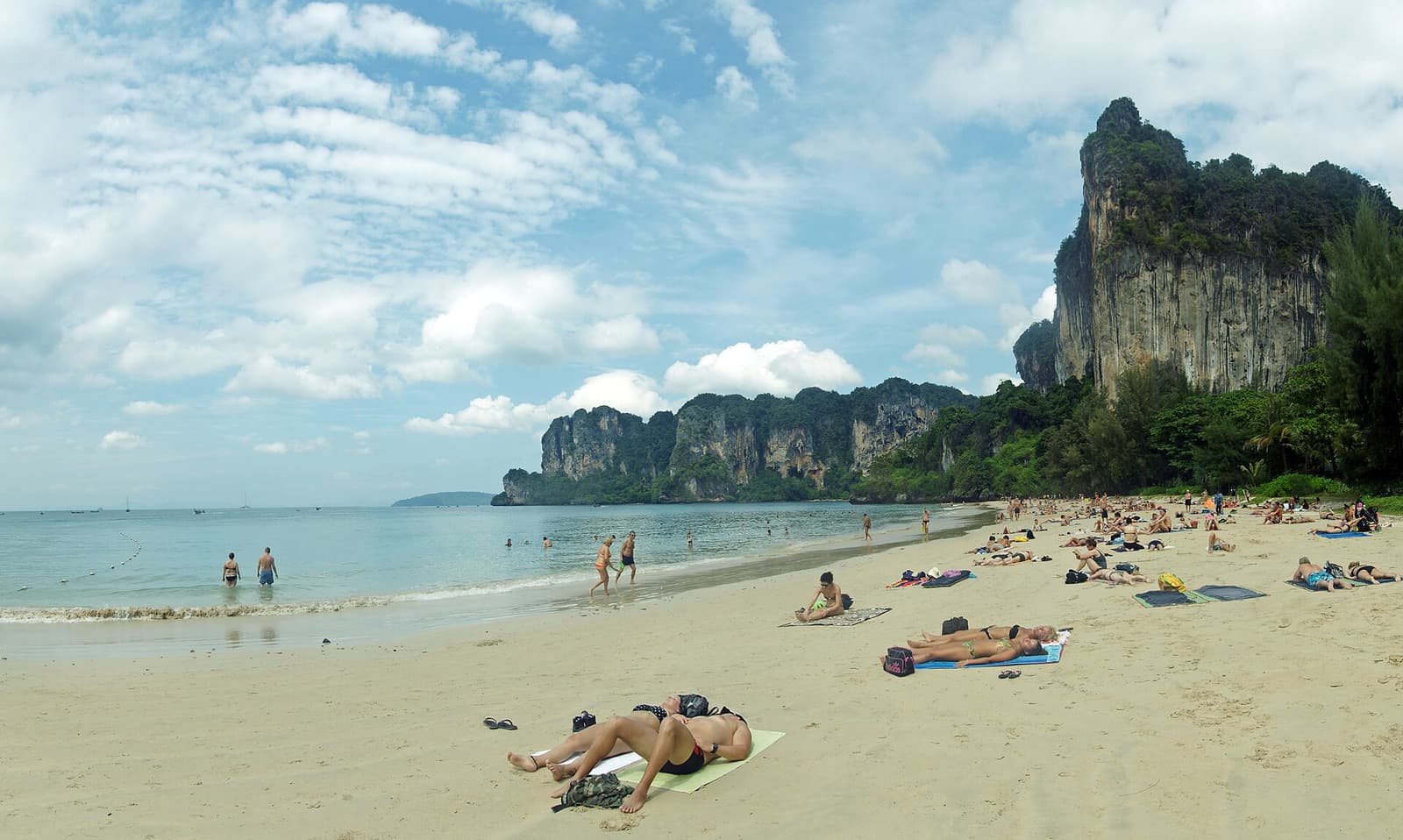
Limestone towers, world-class sport climbing, longtail island-hopping and mangrove kayaking.
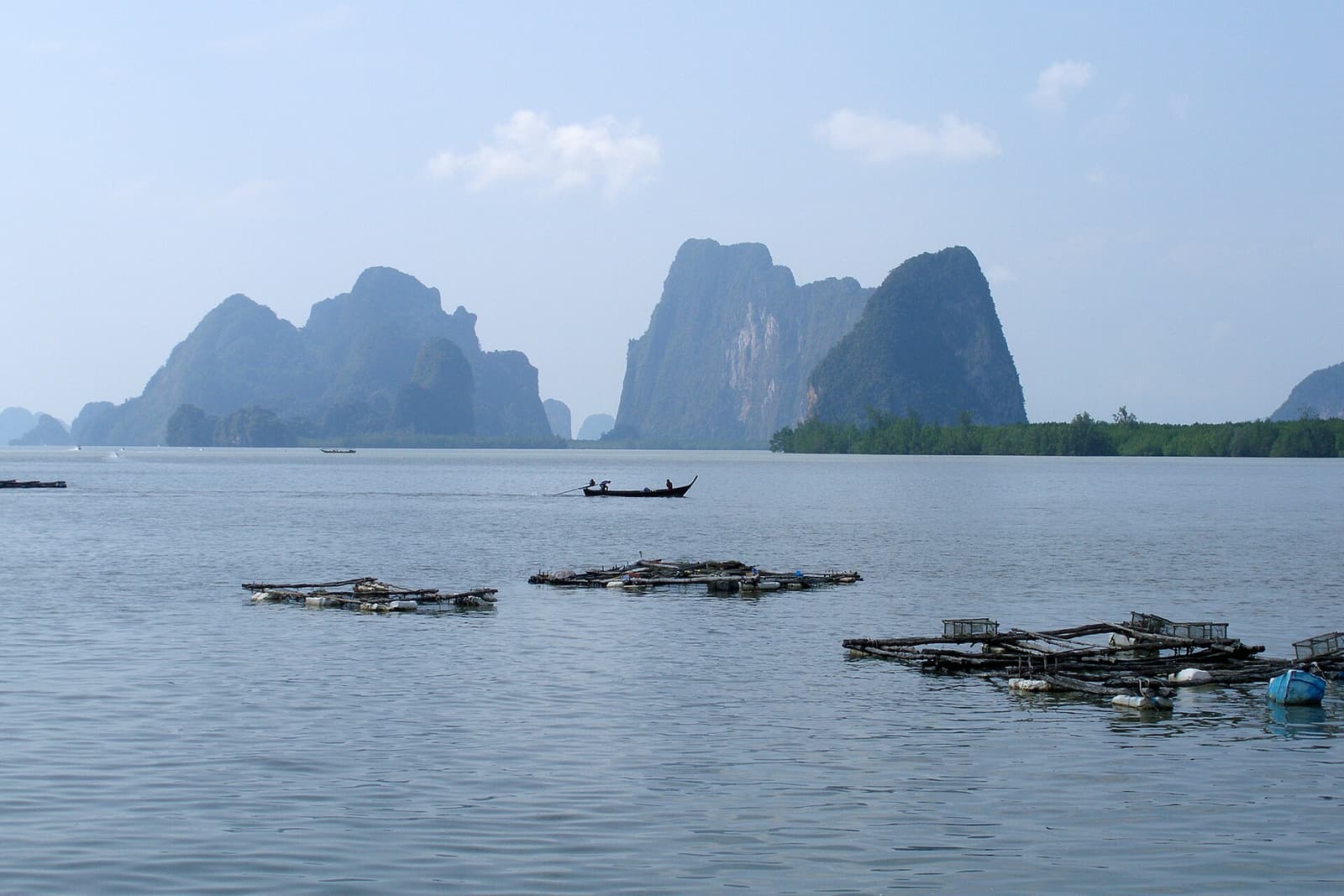
Sea-canoe caves, Similan diving, monsoon surf, muay thai camps and island-studded Phang Nga Bay.
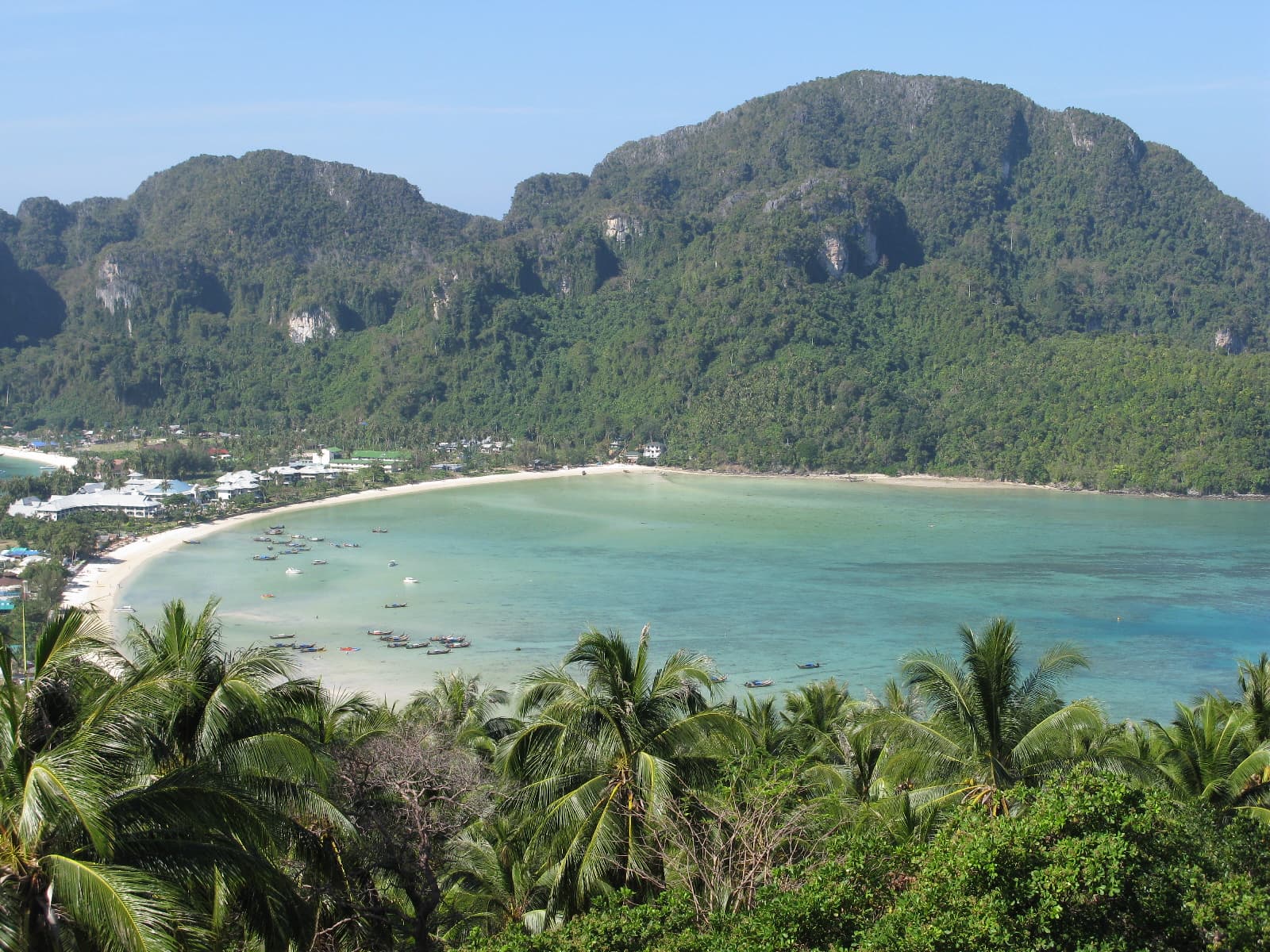
Maya Bay by longtail, reef sharks and turtles, mangrove kayaking and Lanta’s long, quiet beaches.
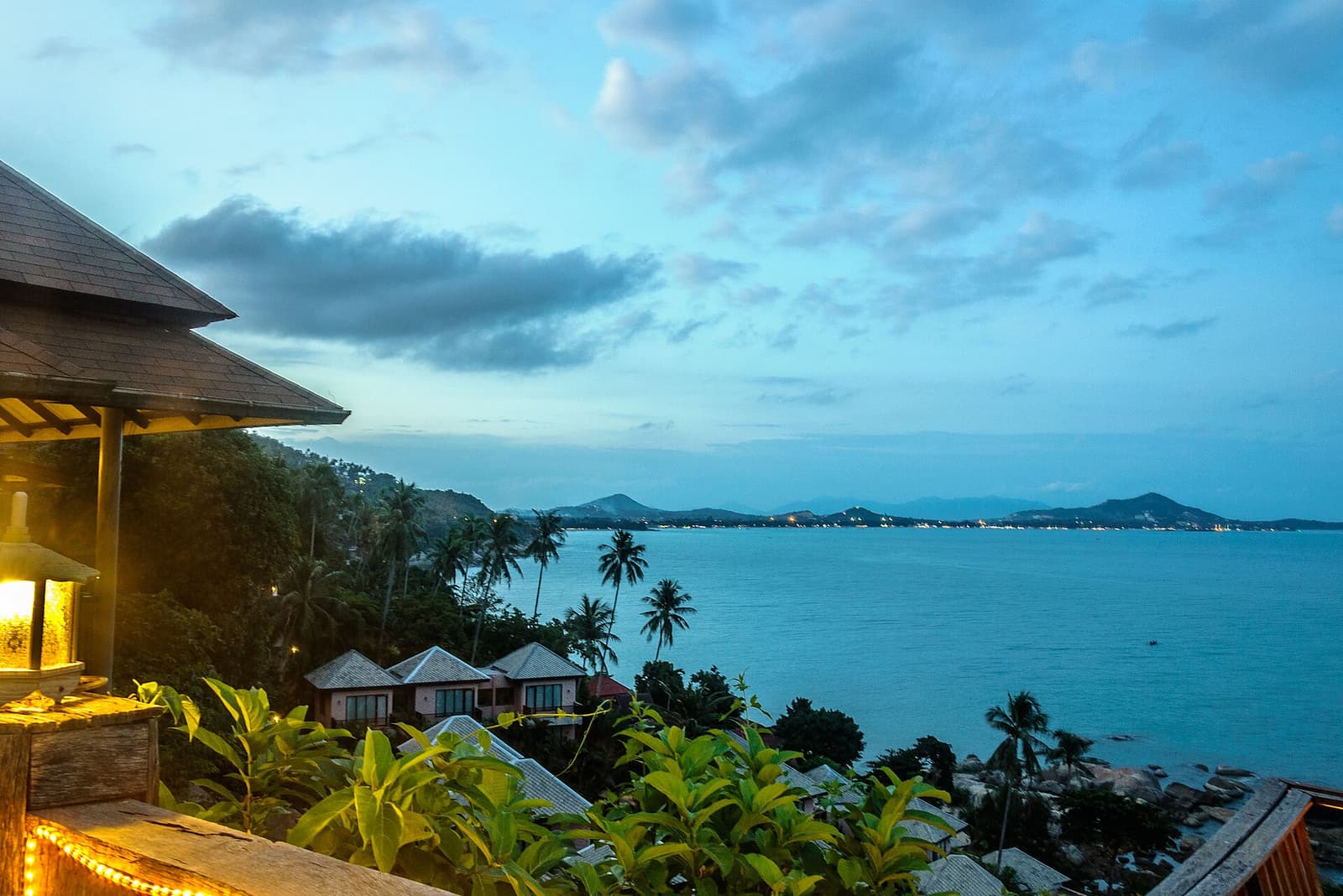
Kayaking the 42 islands of Ang Thong, jungle waterfalls, hilltop hikes and the Gulf’s sunny summer.
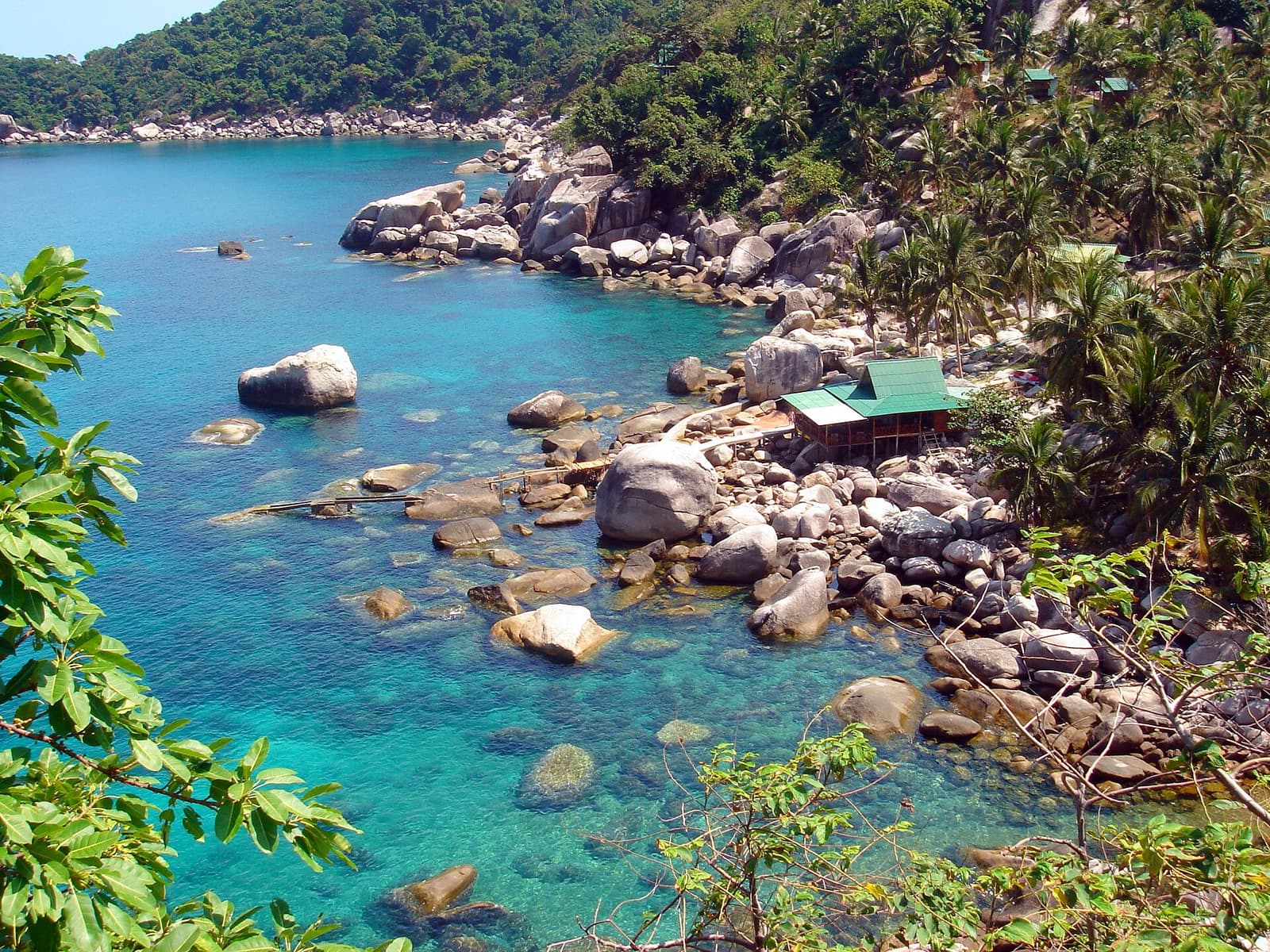
Thailand’s dive-school island: first breaths underwater, turtles and reef sharks, granite viewpoints and Koh Nang Yuan.
Six experiences that define an active trip here — and where in the country to find them.

Hundreds of bolted routes on steep limestone, many starting from the sand. Half-day courses take complete beginners up their first climbs.
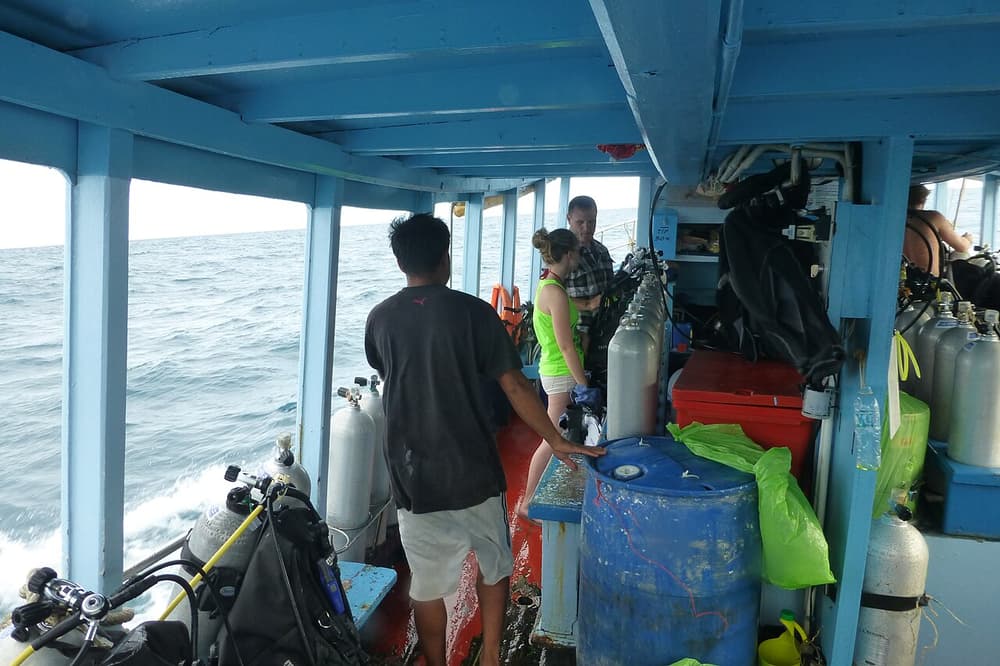
Warm, calm, shallow bays and dozens of schools make this small island one of the easiest and cheapest places in the world to get certified.

Walk from Chiang Mai through forest and rice terraces to waterfalls and Karen villages, by the day or with a night in a village house.
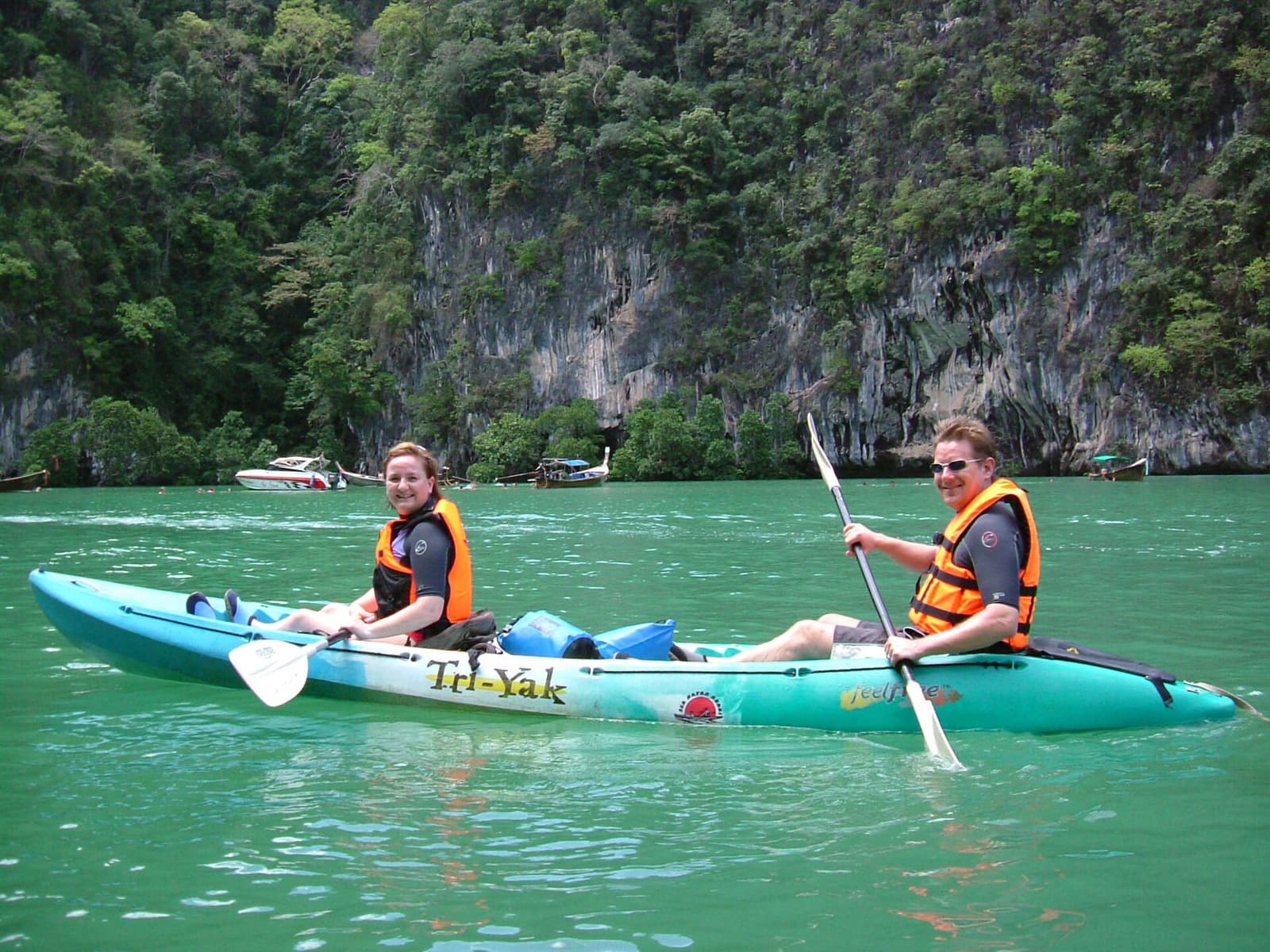
Slip a sea canoe through tidal caves into open-roofed “hongs” inside the islands — and come back after dark for glowing plankton.
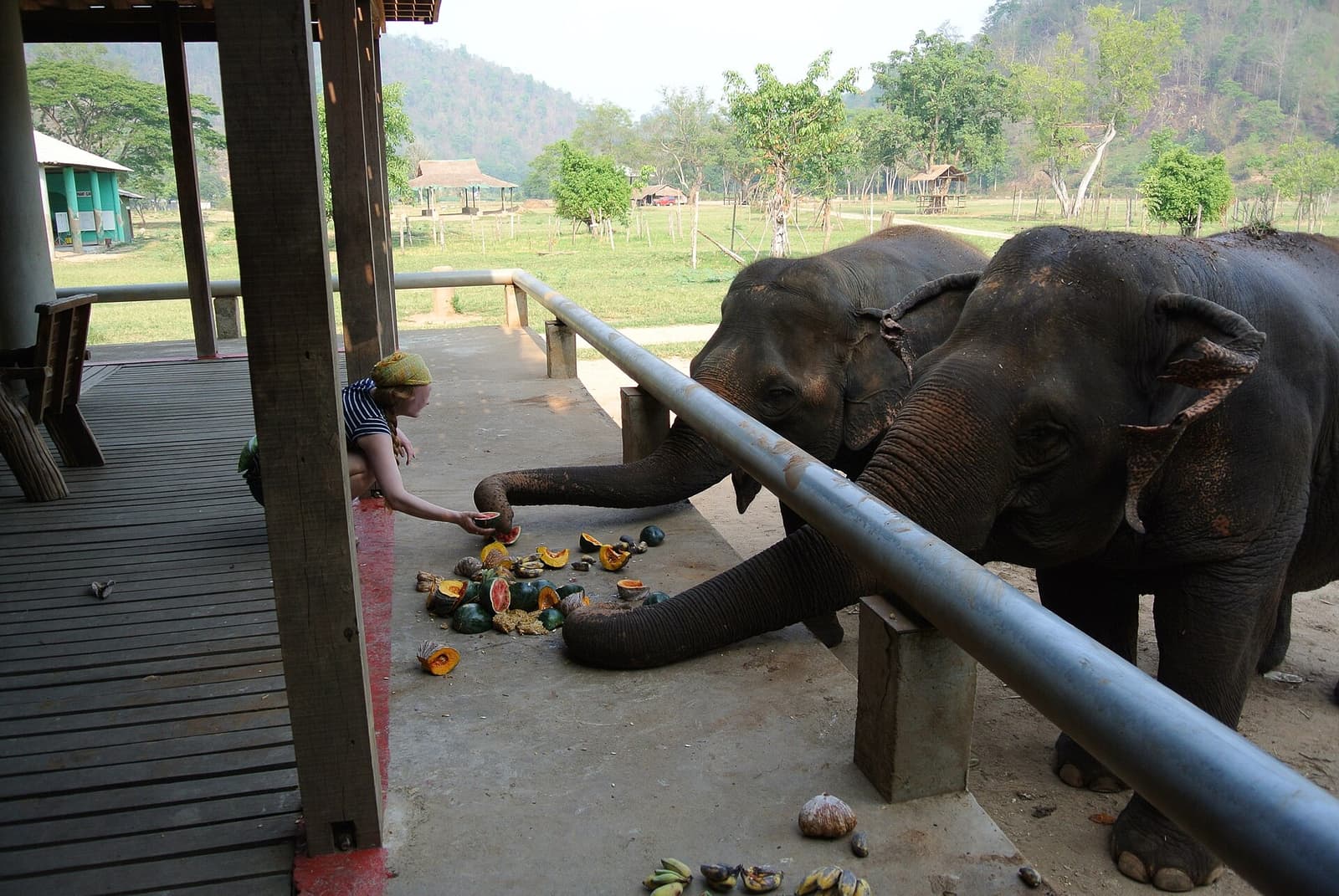
No riding, no shows: the best sanctuaries around Chiang Mai, Phuket and Samui let you watch and feed rescued animals on their terms.

The drums, the ritual and the roar of a Bangkok stadium — or a first lesson in a working gym the morning after.
Which part of the country suits your trip — and when. The Andaman coast and the Gulf islands have opposite rainy seasons, so one of them is almost always in good shape.
| Region | Best for | Best months | Gateways | Destination guides |
|---|---|---|---|---|
| Northern Thailand | Trekking, elephants, rafting, ziplines, cycling, caves | November–February | Chiang Mai, Chiang Rai | Chiang Mai · Chiang Rai & the Golden Triangle · Pai & Mae Hong Son |
| Bangkok & Central Thailand | City cycling, muay thai, waterfalls, wildlife | November–February | Bangkok | Bangkok · Kanchanaburi & Erawan · Khao Yai |
| Andaman Coast | Climbing, sea kayaking, island-hopping, diving, rainforest | November–April | Phuket, Krabi | Khao Sok · Krabi & Railay · Phuket & Phang Nga Bay · Koh Phi Phi & Koh Lanta |
| Gulf Islands | Learning to dive, snorkelling, marine-park kayaking | February–September | Koh Samui, Surat Thani, Chumphon | Koh Samui & Koh Phangan · Koh Tao |
Real GetYourGuide listings from eight destinations, chosen for what you actually do on them and for their reviews. Most can be cancelled free of charge up to 24 hours before.
 Krabi & Railay from €42
A four-hour morning or afternoon session with an expert instructor on beginner-friendly routes above the sand. Equipment is provided; no experience needed.
Chiang Mai from €50 A full day at a sanctuary described as home to more than 36 rescued elephants, combined with time at a waterfall and a gentle bamboo raft ride through the valley. No riding.
Phuket & Phang Nga Bay from €79 An afternoon-into-evening trip exploring the bay’s national park scenery by sea canoe and staying after dark to see bioluminescent plankton glow in the water.
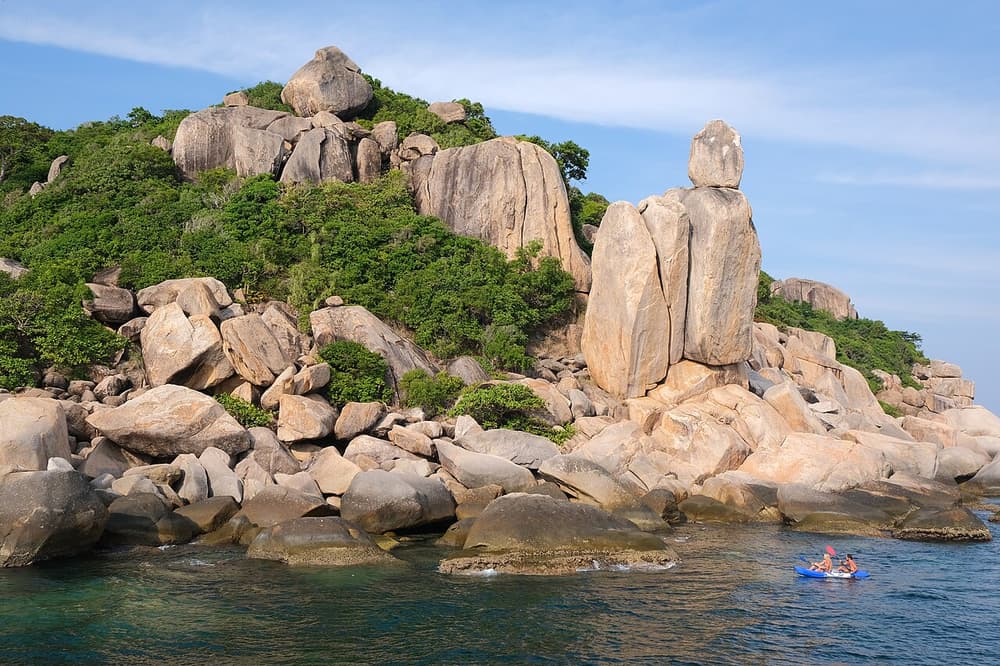 Koh Tao from €25
A boat day around Koh Tao and Koh Nang Yuan, stopping at five snorkelling spots and landing on Nang Yuan’s sandbar beach, with lunch on board.
 Bangkok from €20
Three hours of easy riding off the tourist path, through temple grounds, canalside lanes and residential neighbourhoods that show the everyday life of the city.
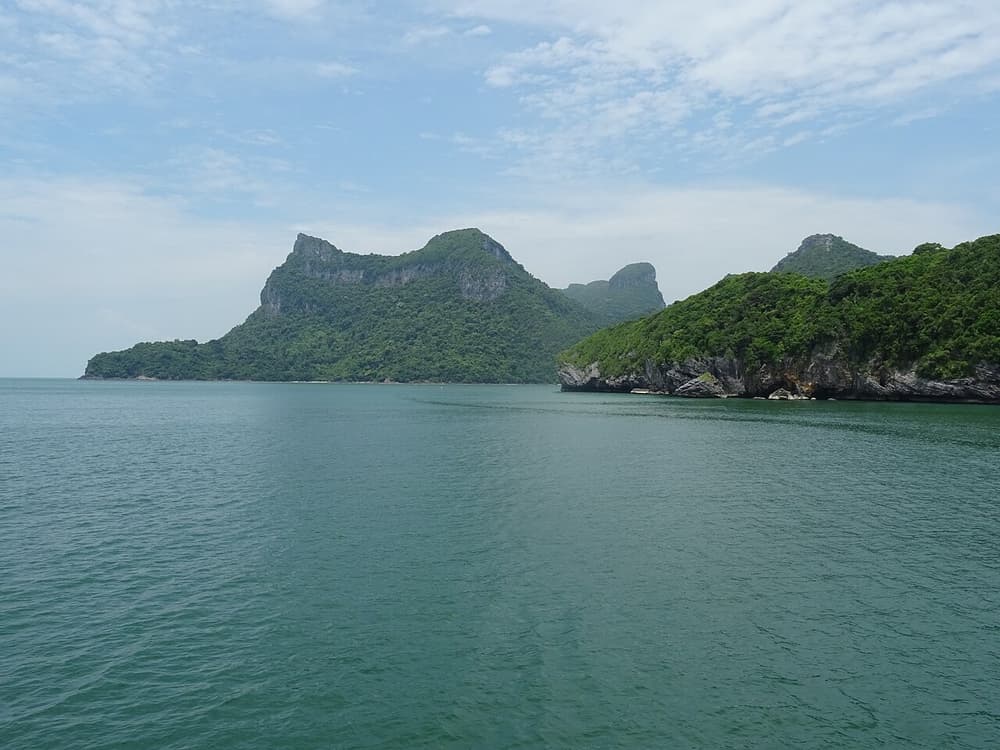 Koh Samui & Koh Phangan from €33
A day cruise to two of the park’s islands to kayak, snorkel and hike to the hidden saltwater lake known as the Blue Lagoon.
 Khao Sok from €140 per group
Your own longtail and boatman for a half day among the lake’s limestone cliffs, with a swim in the emerald water and a visit to Diamond Cave. Priced per group.
Chiang Mai from €66 A day in the mountains around the village of Mae Kampong: a forest trek with a chance of seeing wild gibbons, and local food along the way.
The best all-round months: clear skies in the north, calm seas on the Andaman coast, comfortable heat in Bangkok. Also the busiest and most expensive.
Very hot inland, with smoke haze in the north until mid-April. Seas are calm on both coasts — a fine time for diving and islands.
Rain most days in the north and on the Andaman side, but lush forest, full waterfalls and strong rivers. The Gulf islands stay mostly dry.
Koh Samui, Koh Phangan and Koh Tao get their heaviest rain, peaking in November, just as the Andaman coast clears up.
Live prices and availability from GetYourGuide, across the whole country.
Four realistic routes that keep travel days short and the active days long.
Bangkok, then Chiang Mai for treks, elephants and Doi Inthanon, with a side trip to Pai or Chiang Rai.
Bangkok, Khao Sok’s lake, Krabi and Railay for climbing and island-hopping, and Koh Phi Phi or Koh Lanta.
Bangkok, Chiang Mai and Pai, then a flight south to Khao Sok, Krabi and the Andaman islands.
Bangkok, Koh Samui and Ang Thong, Koh Phangan’s jungle beaches and a dive course on Koh Tao — ideal from June to September.
From Old City courtyards in Chiang Mai to floating villas on Cheow Lan Lake and resorts on Railay’s car-free sand: three well-located places to stay in every destination, with live rates on Trip.com.
 Where to stay in Thailand
Climbing courses, dive trips, small-group treks and marine-park boats run with limited places and fill up from December to February and in July and August. Compare what is bookable online and reserve in a couple of taps.
November to February suits almost everything. But Thailand has two coasts with opposite monsoons, so there is always somewhere good: the Andaman side is best from November to April, the Gulf islands from February to September. See when to go.
No. Krabi’s climbing schools, Koh Tao’s dive centres and the sea-kayak operators of Phang Nga Bay and Ang Thong all cater for complete beginners, with equipment and instruction included.
It can be, if you choose carefully: no riding, no shows, no chains on display, small groups. Our responsible travel guide explains what to look for and what to avoid.
Three or four bases is comfortable — for example Bangkok, Chiang Mai, Khao Sok and Krabi. Domestic flights are frequent and inexpensive. Our itineraries give day-by-day routes.
Citizens of many countries can enter visa-free for a limited stay, but the rules and the length of stay have changed several times in recent years. Check with a Thai embassy or the official e-visa website before you book. More in the travel guide.
Yes. Every tour shown is an actual GetYourGuide listing that we checked in October 2026, with the rating and review count displayed then. We earn a commission on bookings at no extra cost to you — see our affiliate disclosure.