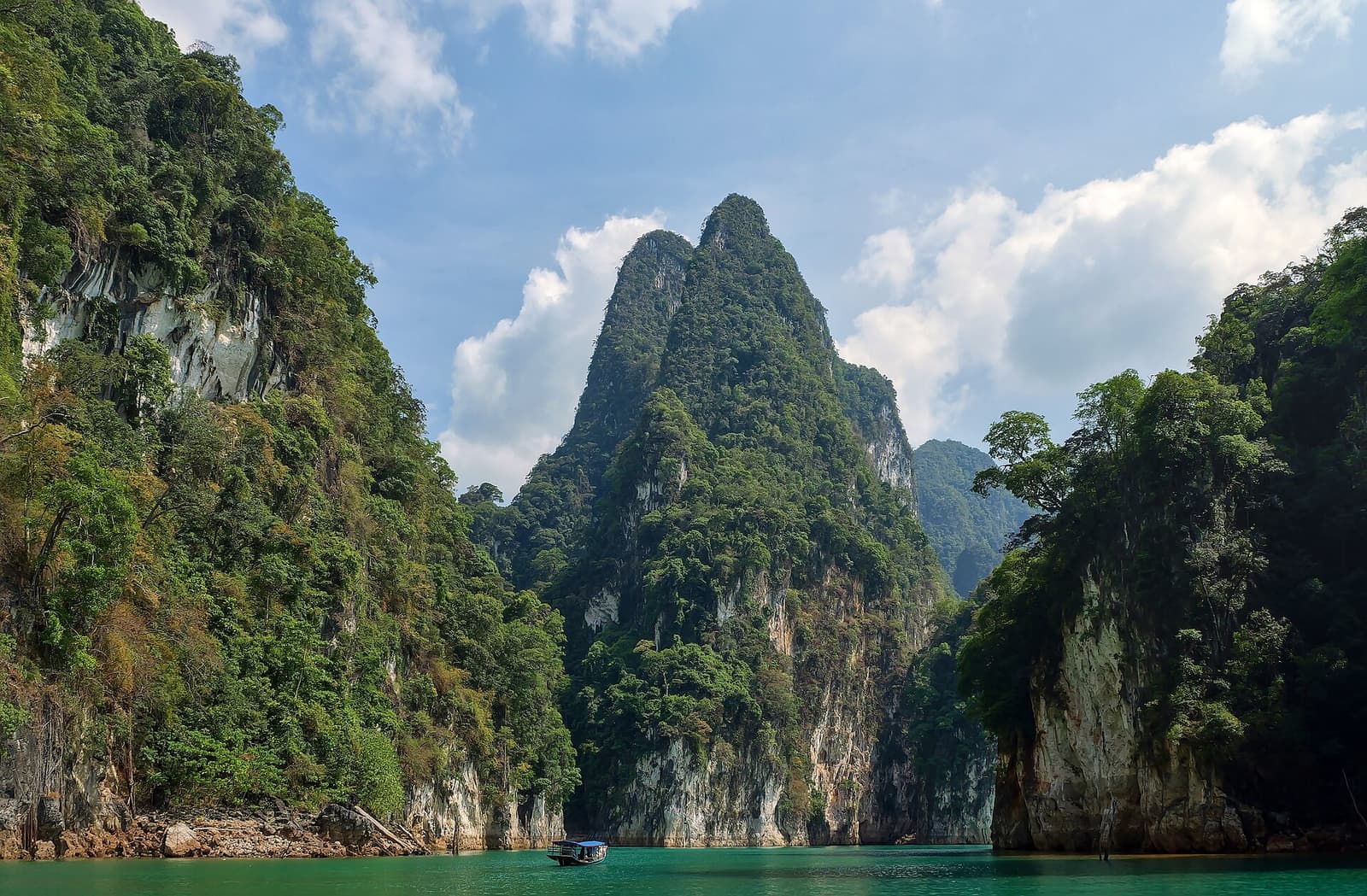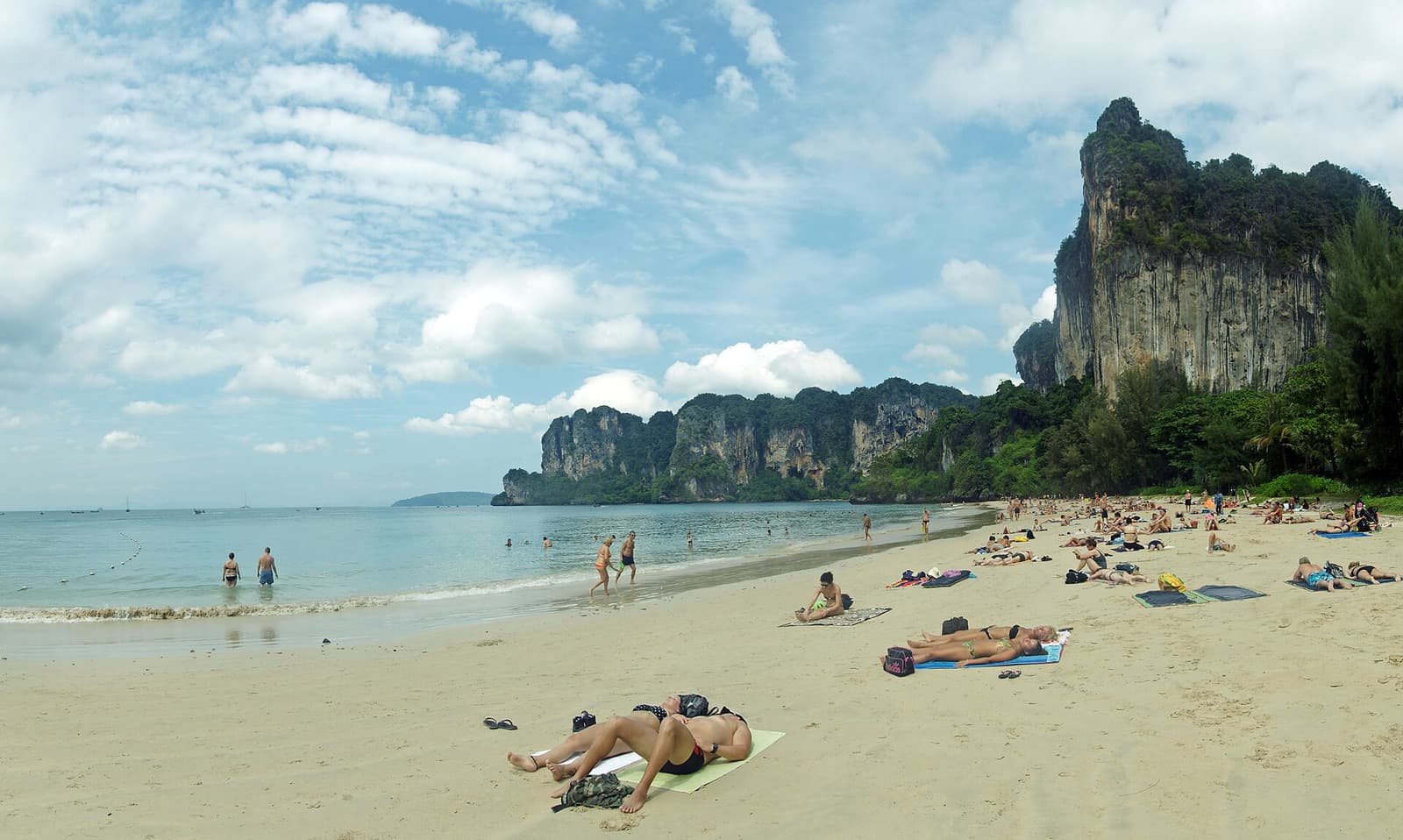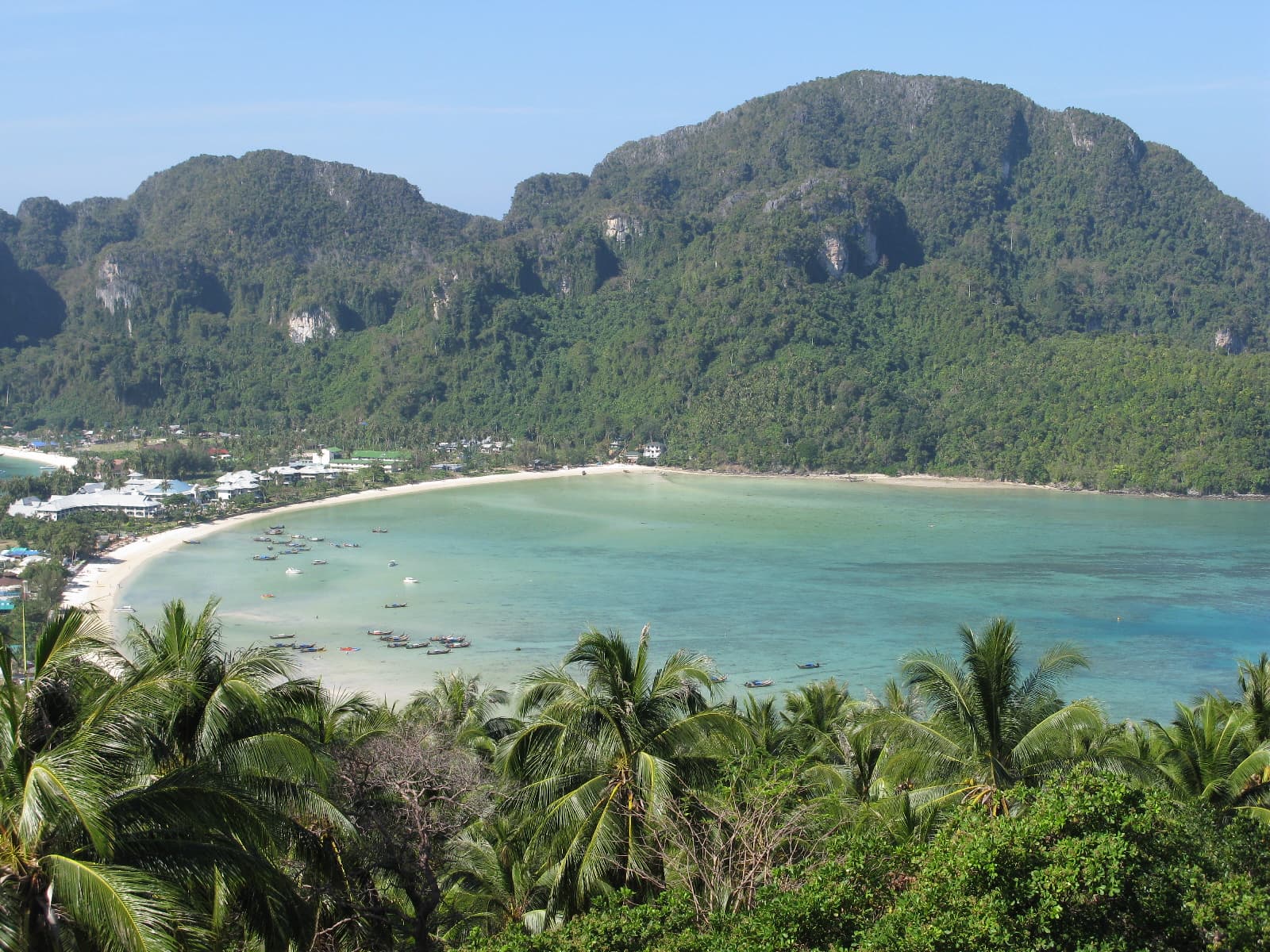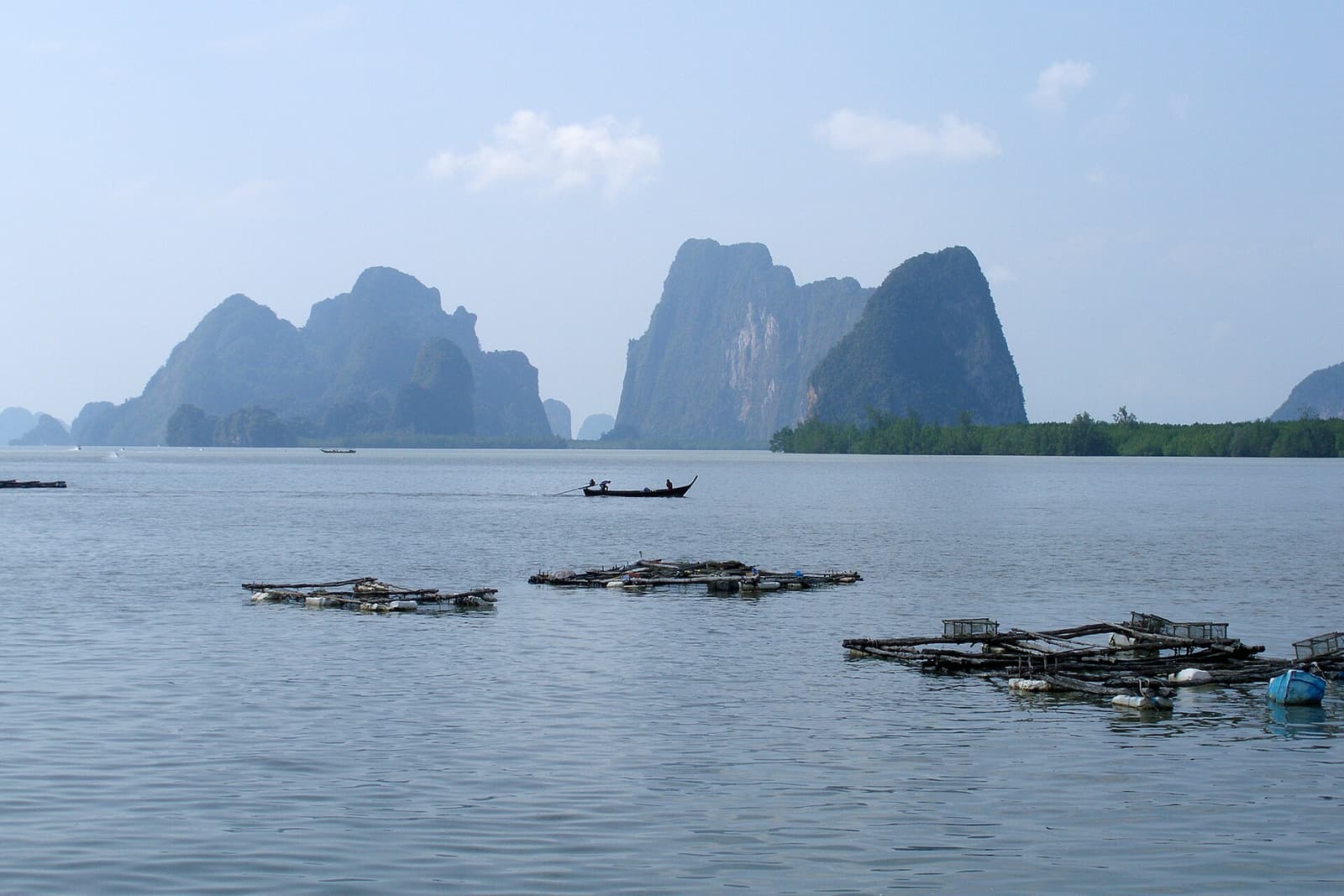
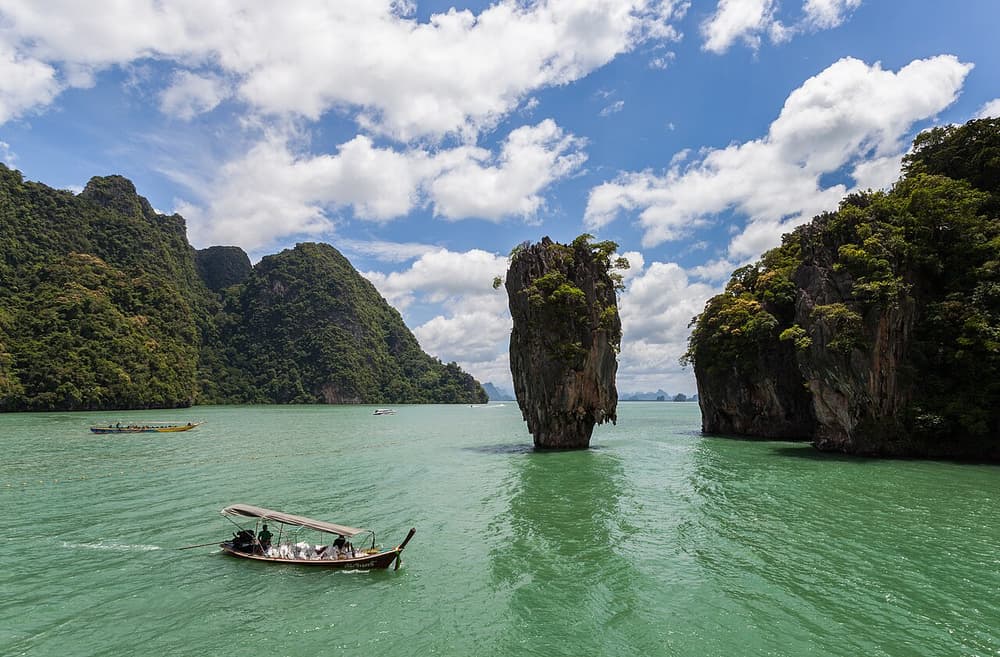
Joined to the mainland by a bridge and served by Thailand’s second-busiest airport, Phuket is easy to reach and has every kind of accommodation. Its west coast is a string of sandy bays; its east coast faces Phang Nga Bay, a shallow sea crowded with more than a hundred limestone islands rising straight out of the water.
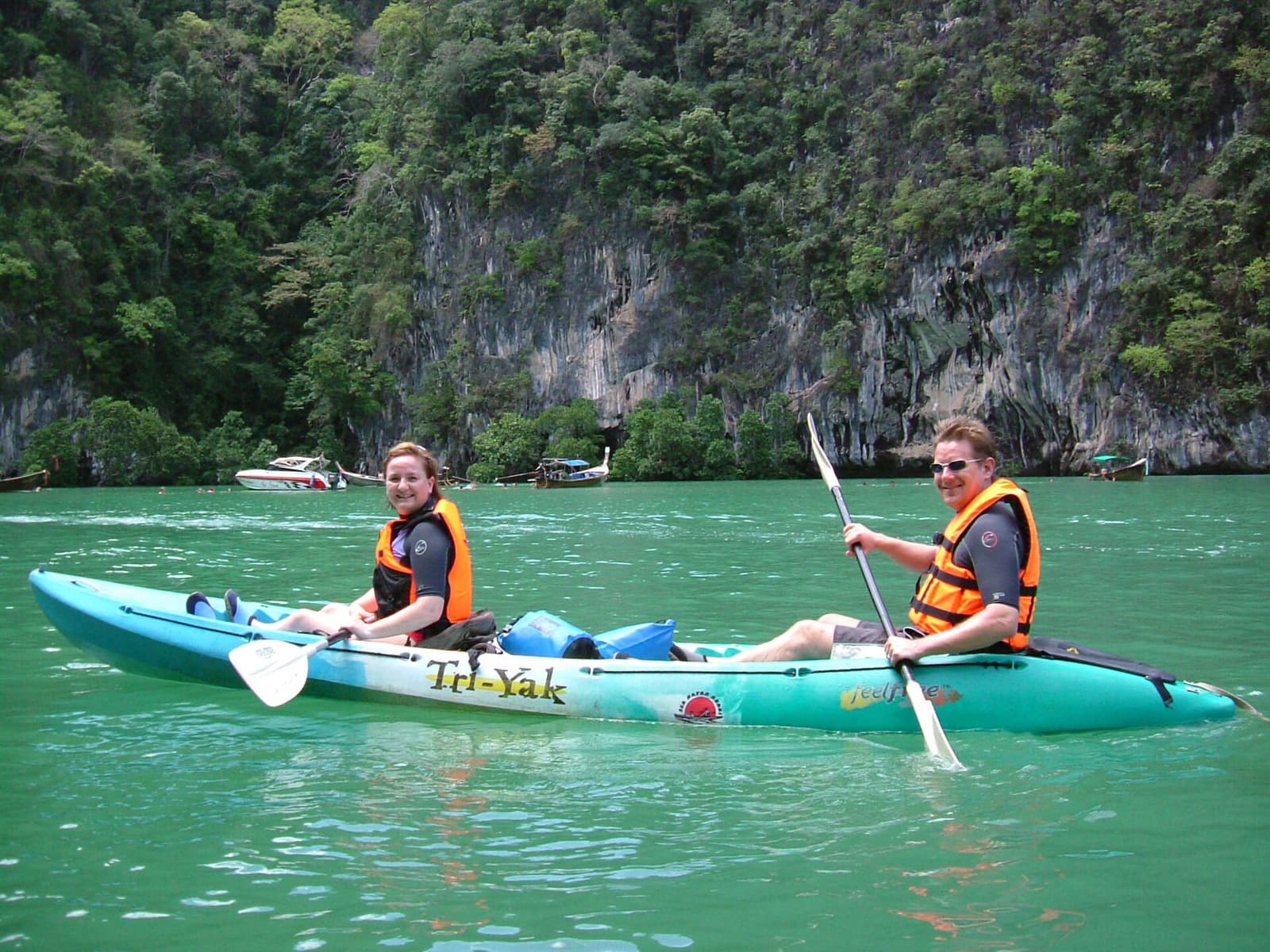
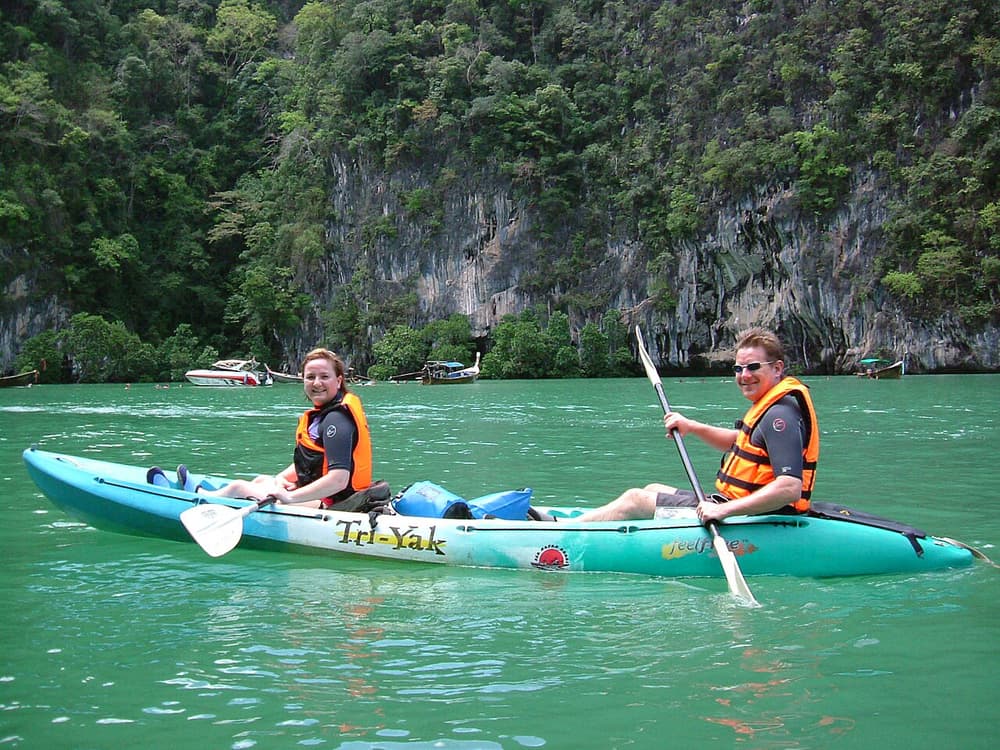
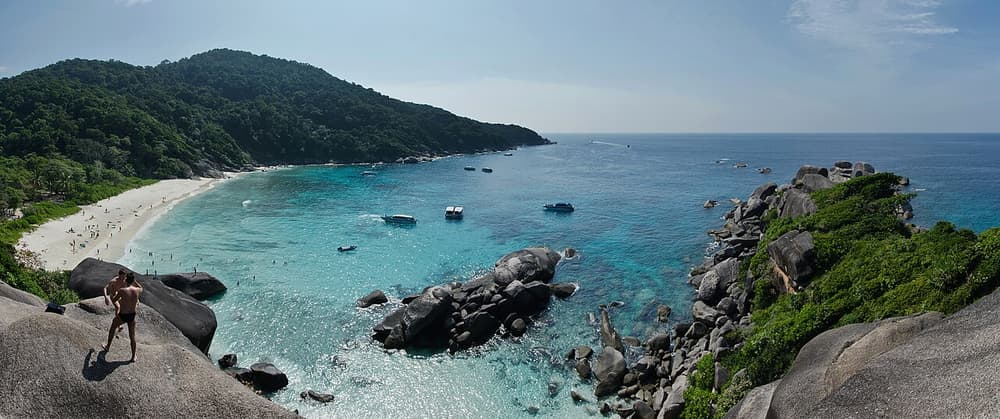
That bay is the great adventure here. Many of its islands are hollow: at the right tide, guides paddle inflatable sea canoes through low cave tunnels into hongs — open-roofed lagoons enclosed by cliffs and mangroves. Offshore to the south and north-west lie the island’s dive sites and, in season, the Similan Islands, among the best diving and snorkelling in Thailand.
On land there are jungle ziplines, no-riding elephant sanctuaries, the Sino-Portuguese streets of the Old Town and the gyms of Chalong, where visitors train in muay thai alongside professionals. Ferries run on to Koh Phi Phi and Krabi.
Highlights
- Paddle a sea canoe into the cave lagoons of Phang Nga Bay
- Dive or snorkel the Similan Islands in season
- Take a first surf lesson at Kata Beach
- Watch glowing plankton on a twilight canoe trip
- Train at a muay thai camp or watch a stadium fight night
- Visit a no-riding elephant sanctuary
Phuket & Phang Nga Bay in pictures
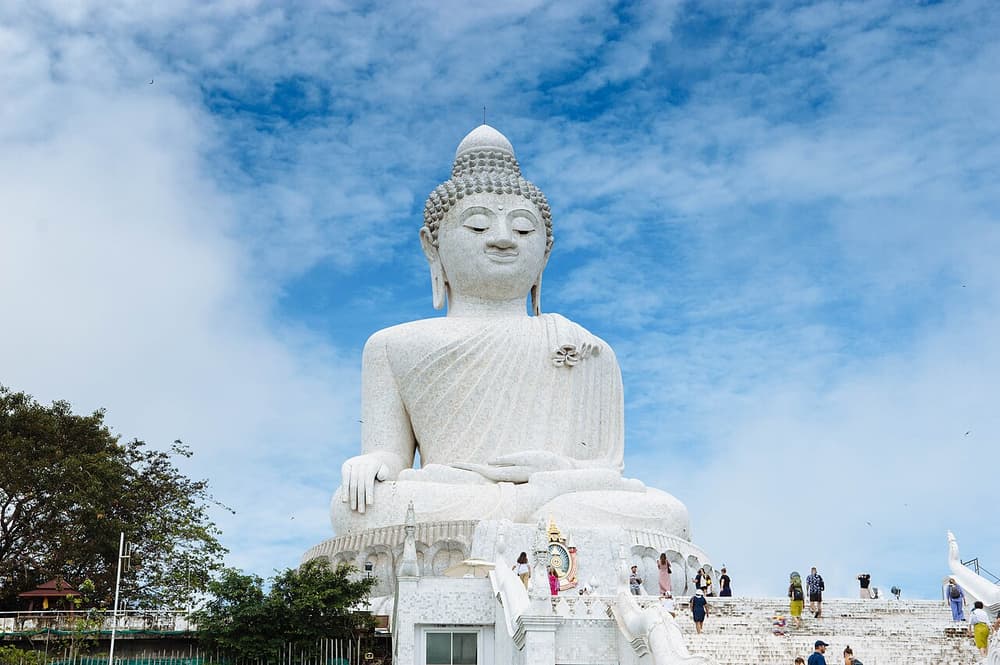
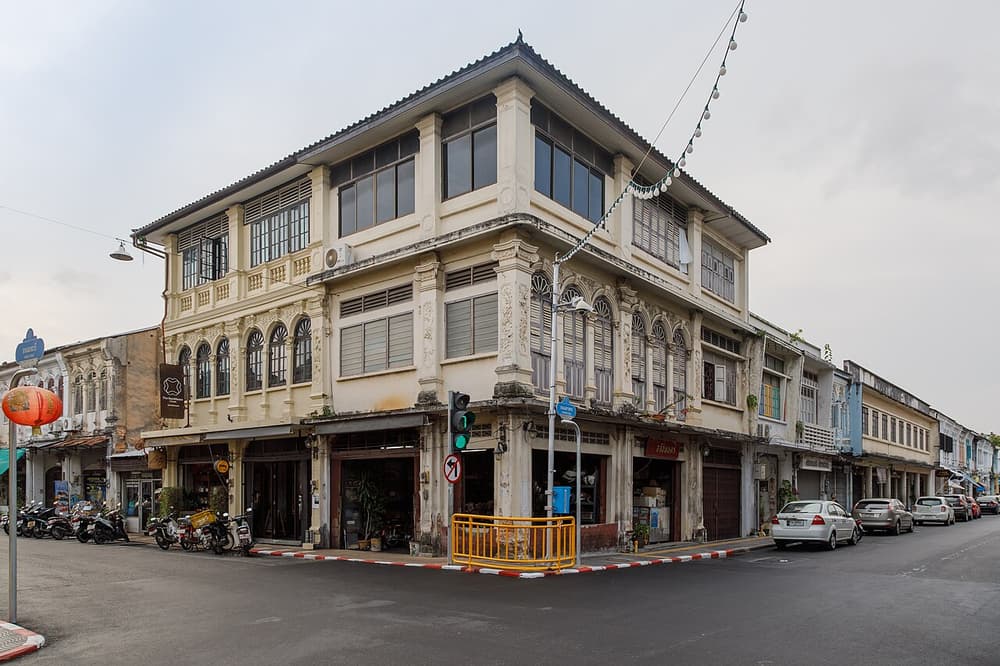
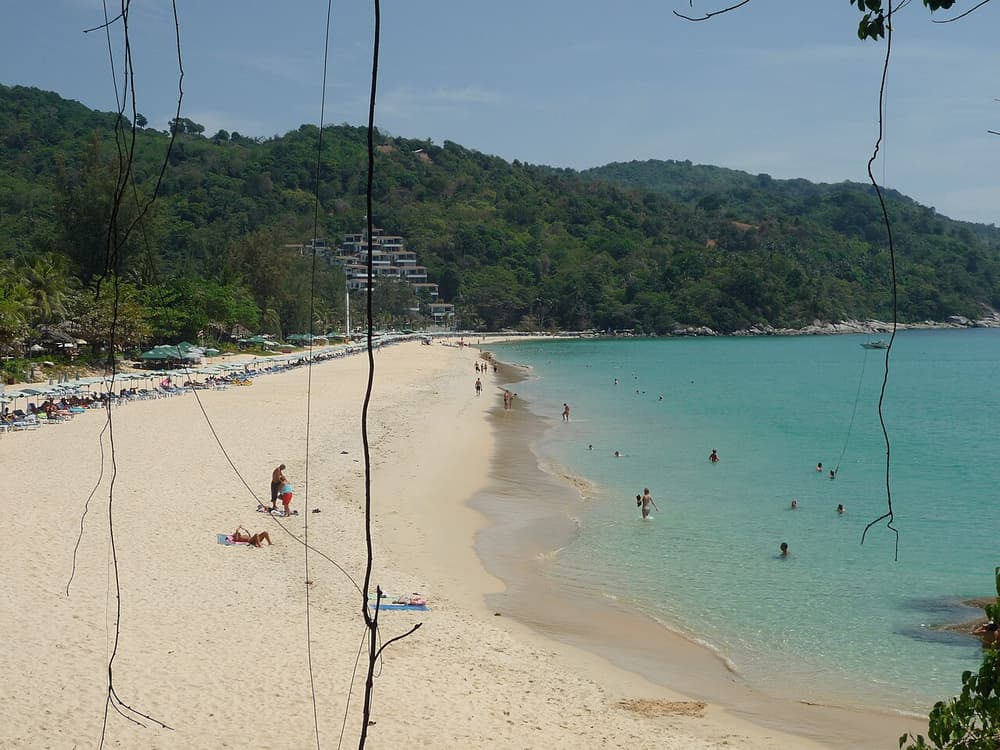
How long to stay and where to base yourself
Allow four days for a Phang Nga Bay trip, a dive or snorkel day, a land-based adventure and a beach day; a week if you want the Similans, a muay thai course or side trips.
Kata and Karon are the best all-round bases, with good beaches and the main surf break. Patong is loud, crowded and convenient for nightlife and fight nights. Rawai and Nai Harn, in the south, are close to the Chalong muay thai camps and dive boats. Bang Tao and the north are quieter and nearer the airport. Phuket Old Town has character and the best food but no beach.