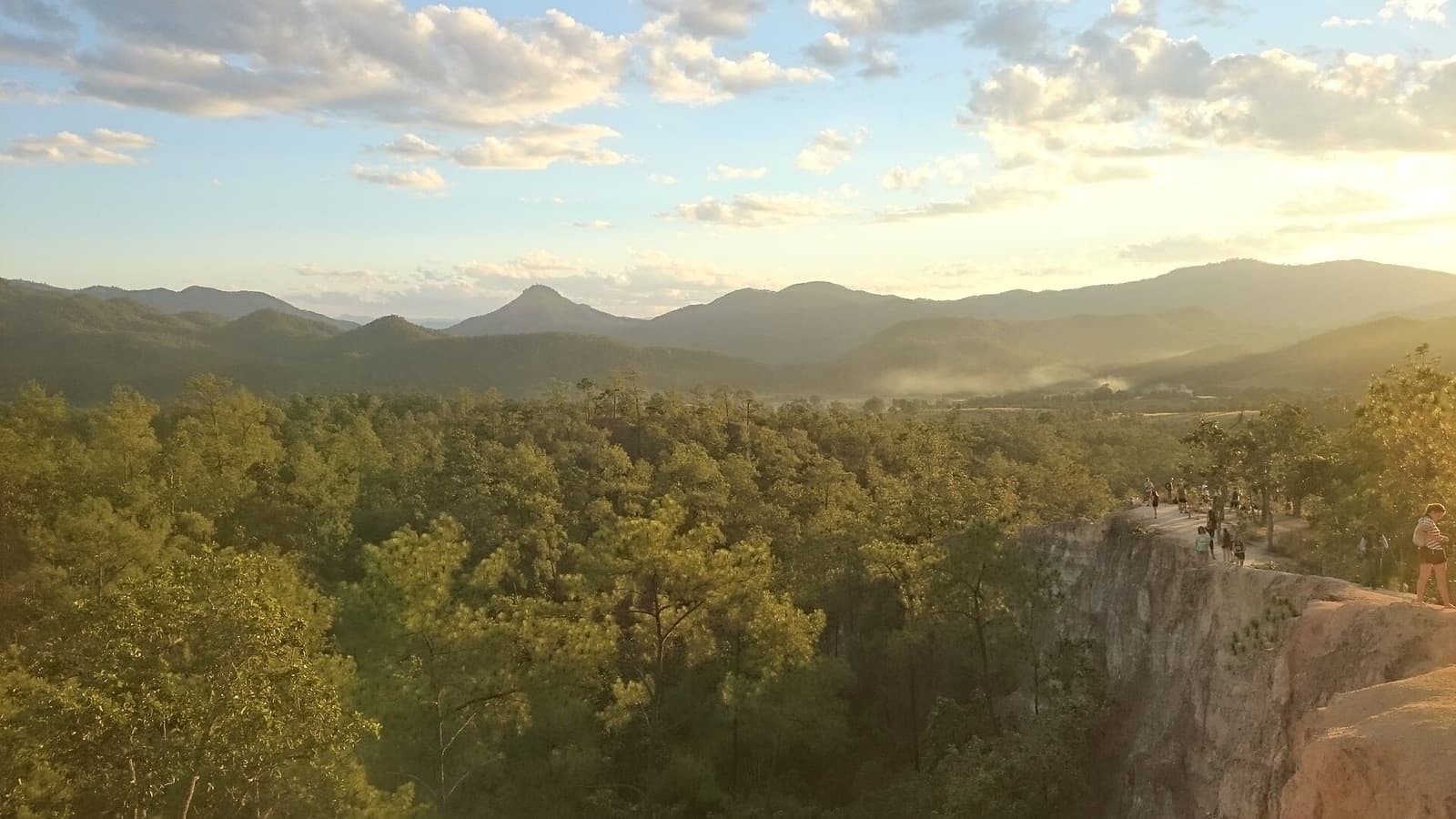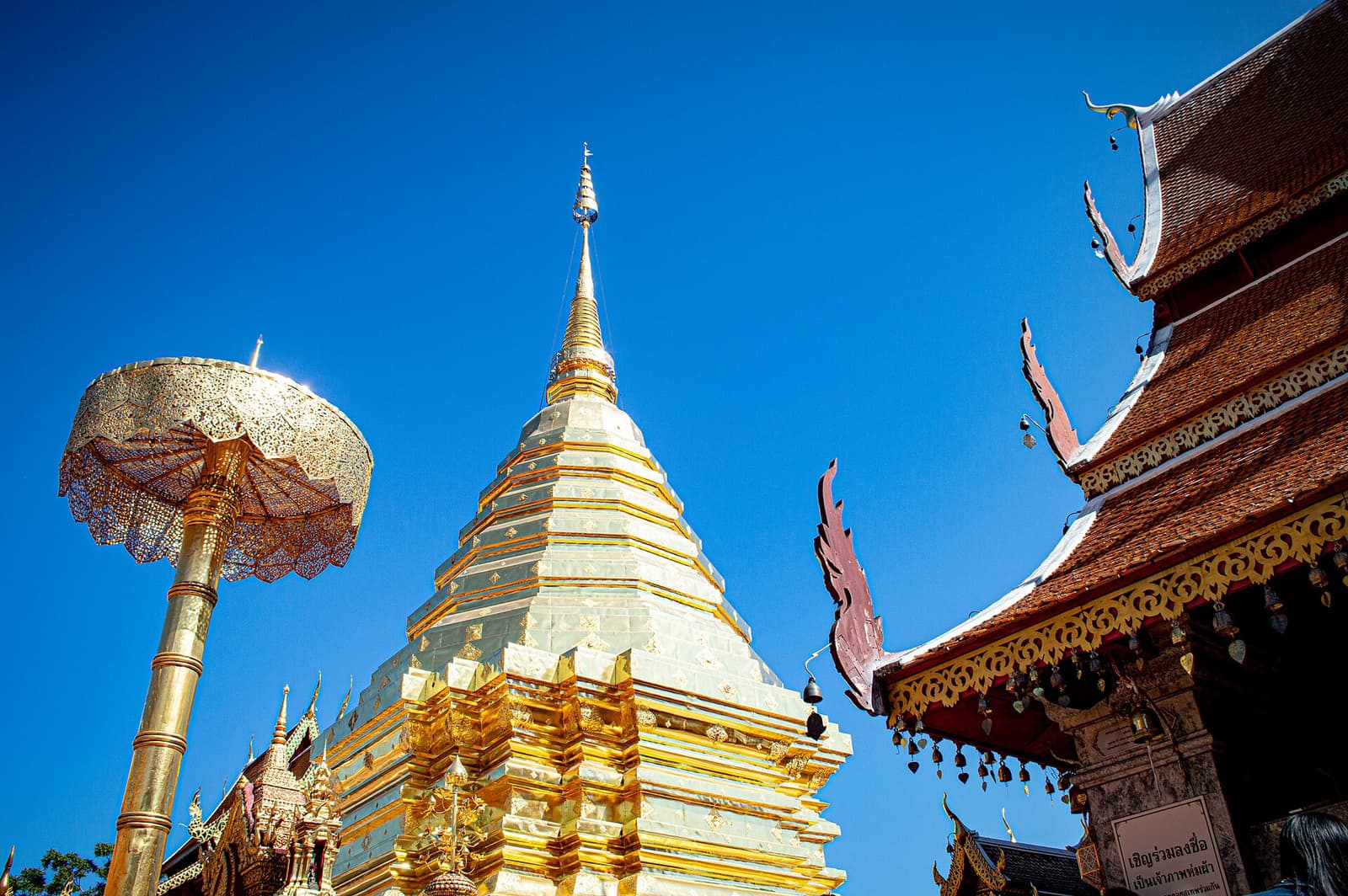
Founded in 1296 as the capital of the Lanna kingdom, Chiang Mai still has its square moat, fragments of brick wall and more than a hundred temples. But what brings active travellers here is the country that begins twenty minutes from the gates: Doi Suthep rising straight behind the city, the valleys of Mae Wang and Mae Taeng with their rivers and rice terraces, and Doi Inthanon, at 2,565 m the highest point in Thailand.
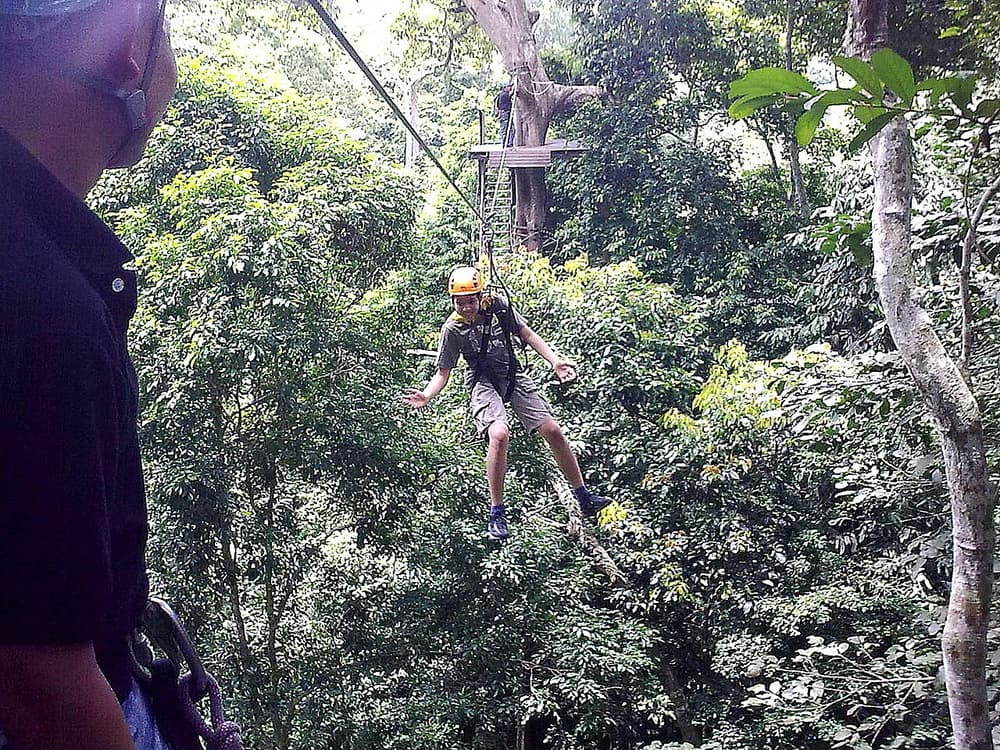
The classic northern experience is a guided trek — a day, or two days with a night in a village house — through forest and farmland to waterfalls and Karen or Hmong communities. Around that you can build a week of rafting, cycling, ziplining, climbing the limestone of Crazy Horse Buttress, scrambling up the grippy rock of the Sticky Waterfalls and learning to cook or to throw a muay thai kick.
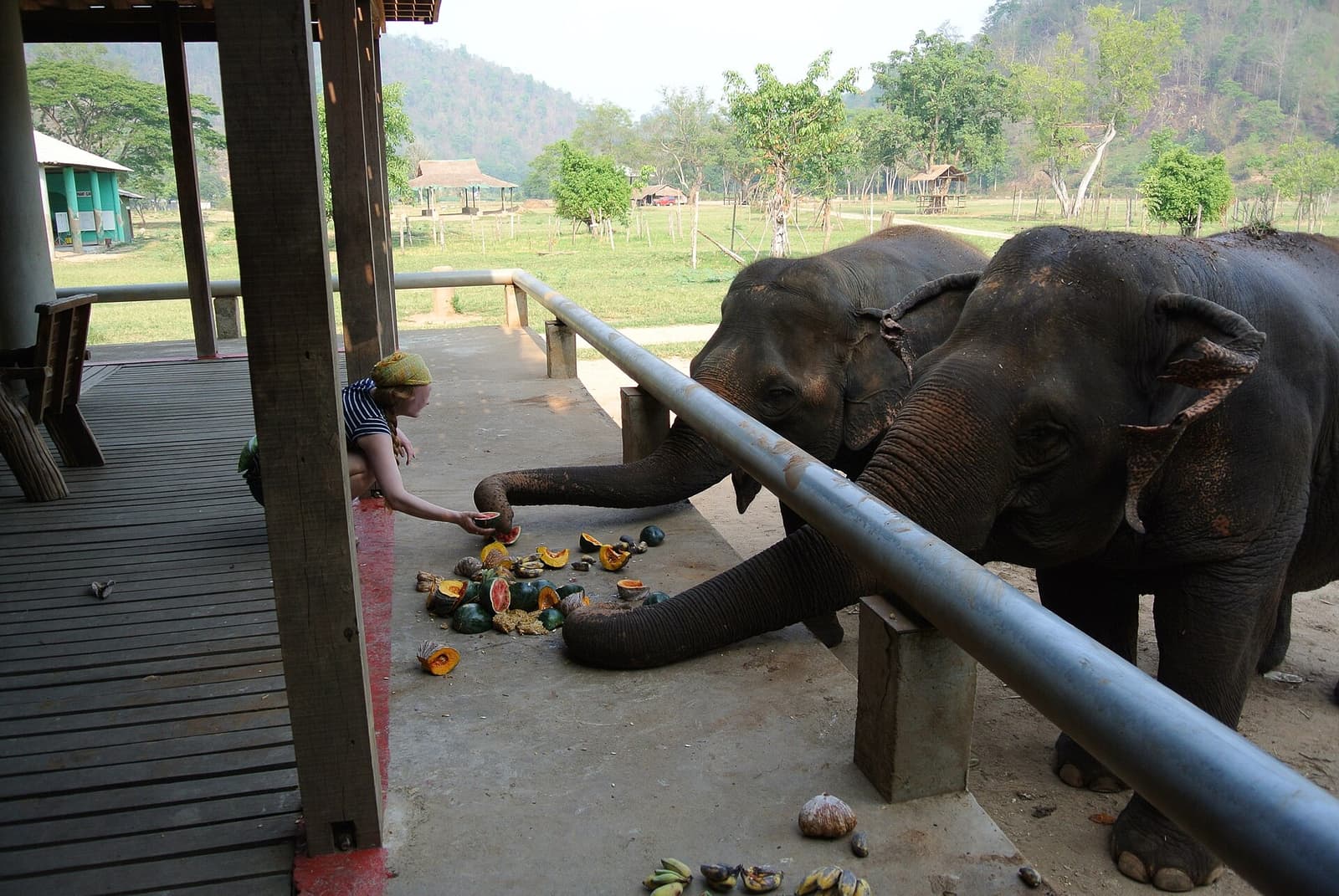
Chiang Mai is also where Thailand’s move away from elephant riding began. The best sanctuaries let you watch and feed animals that no longer work. From here, roads lead on to Pai and Mae Hong Son and to Chiang Rai and the Golden Triangle.
Highlights
- Trek through forest and rice terraces to a Karen village and sleep there
- Spend a day at a no-riding elephant sanctuary
- Zipline through the rainforest canopy
- Raft the rapids of the Mae Taeng River
- Climb barefoot up the Bua Tong Sticky Waterfalls
- Stand on the roof of Thailand at Doi Inthanon
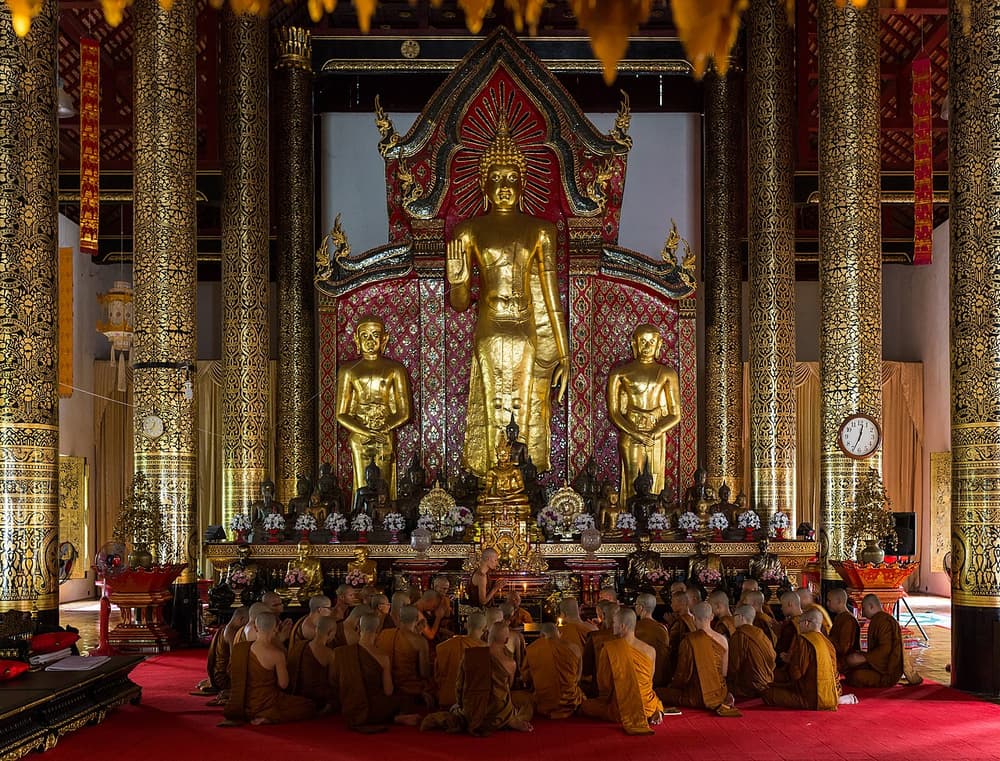
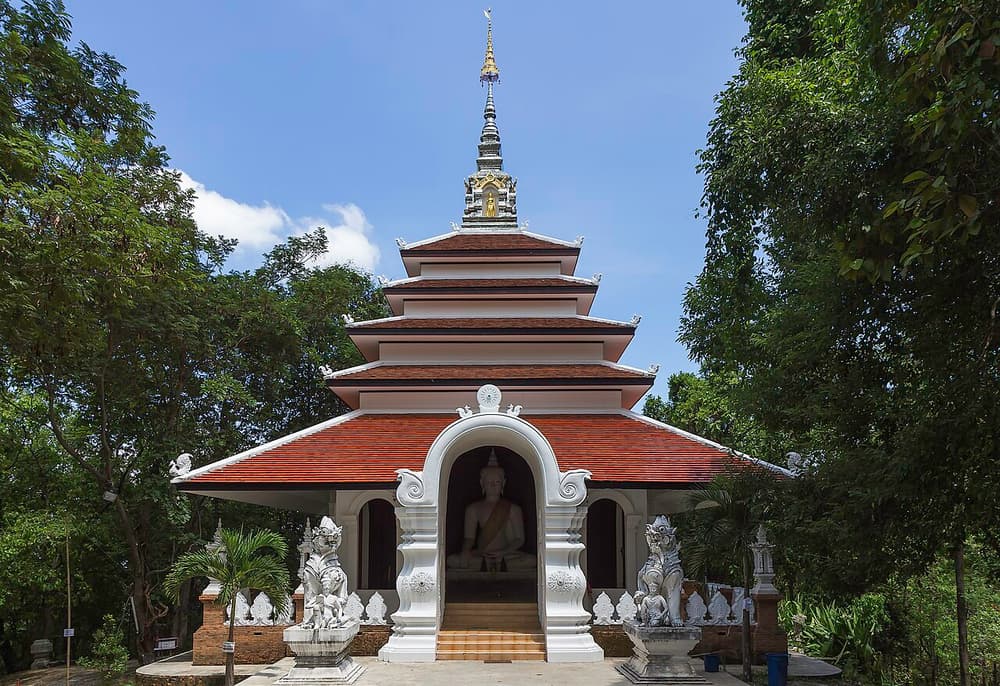
Chiang Mai in pictures
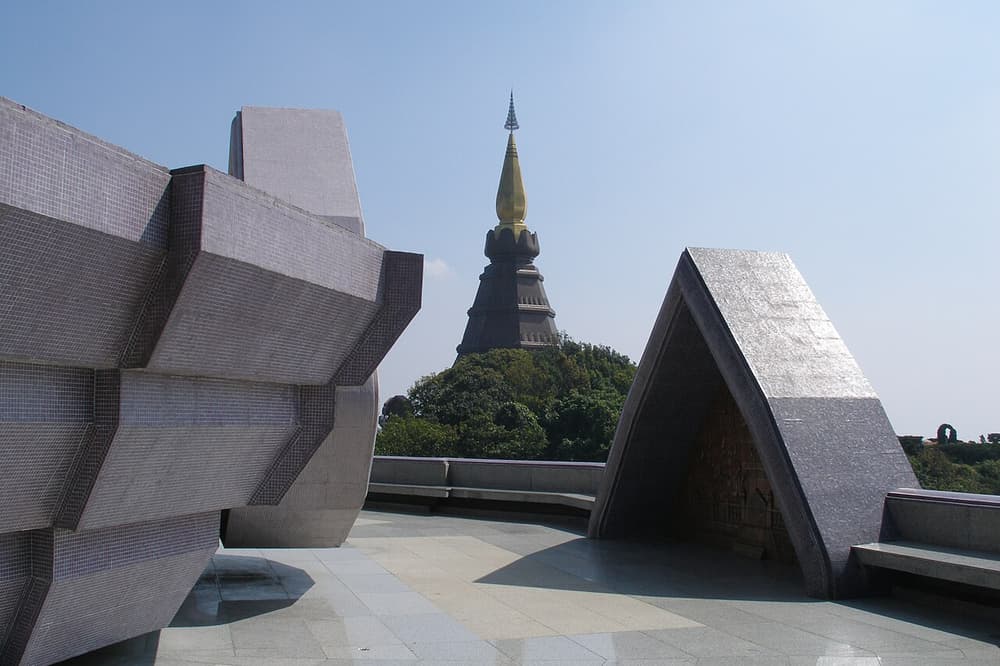
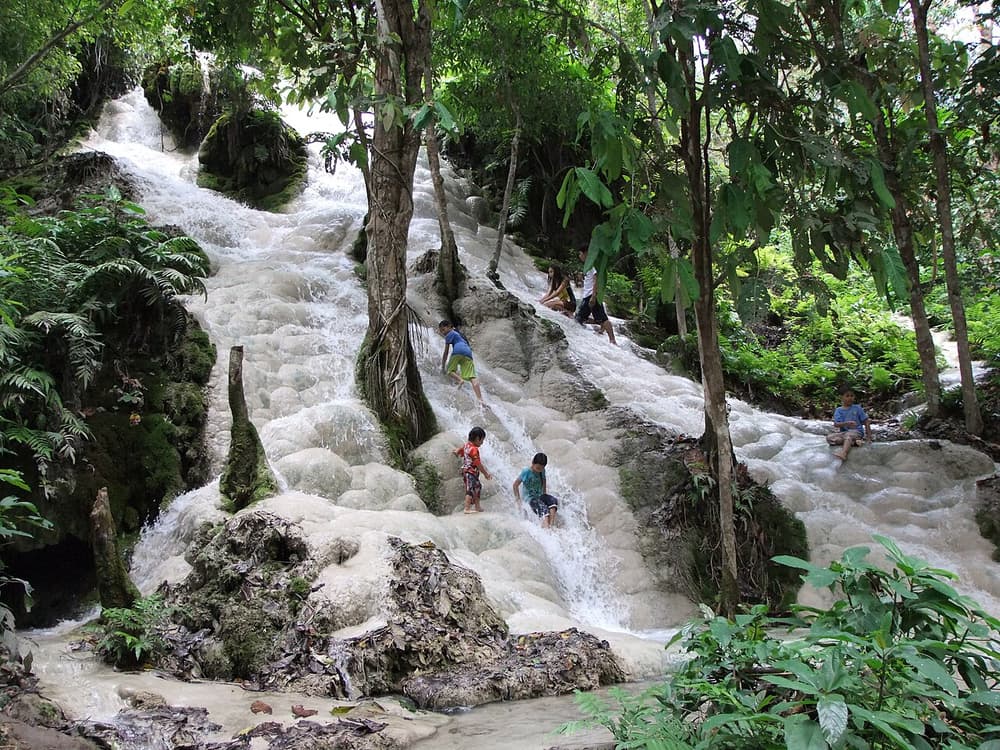
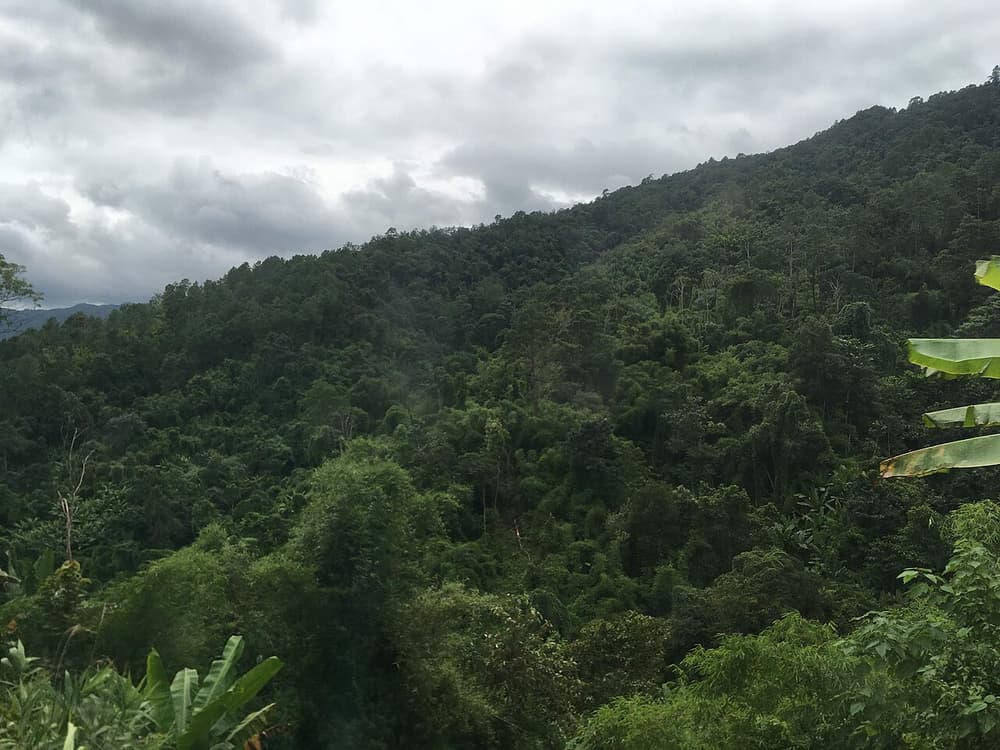
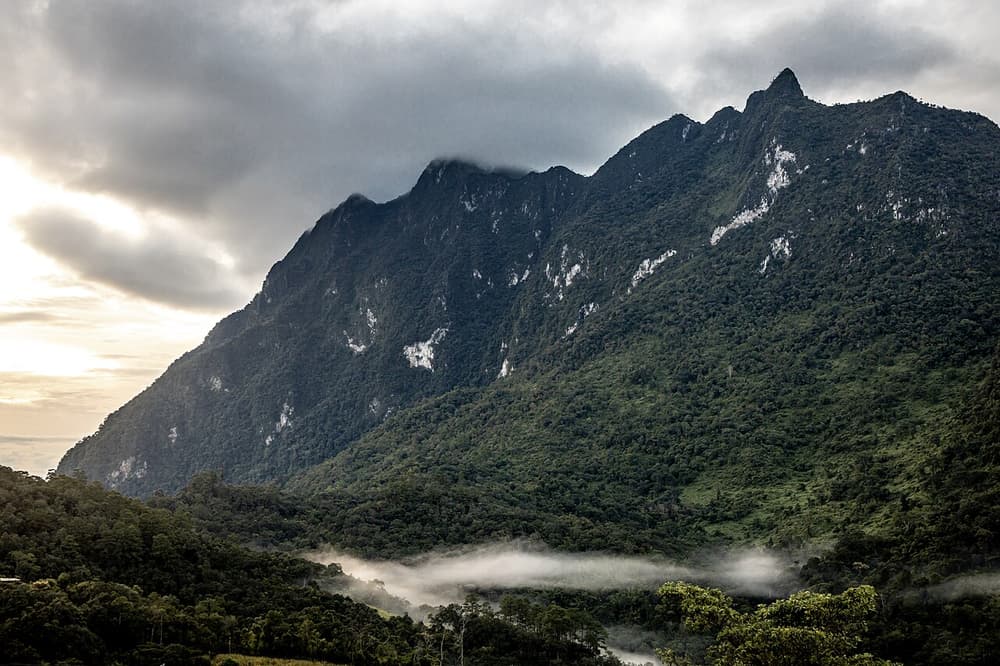
How long to stay and where to base yourself
Plan on four days as a minimum: one for the Old City and Doi Suthep, and three for days out — an elephant sanctuary, Doi Inthanon and a trek or rafting trip. A week lets you add an overnight trek and a slower day.
Stay inside or just outside the Old City moat for temples, markets and easy tour pick-ups. Nimmanhaemin, to the west, is the modern café and restaurant quarter. The riverside east of the centre is quieter, with garden hotels. Almost all tours include pick-up from hotels in these areas.