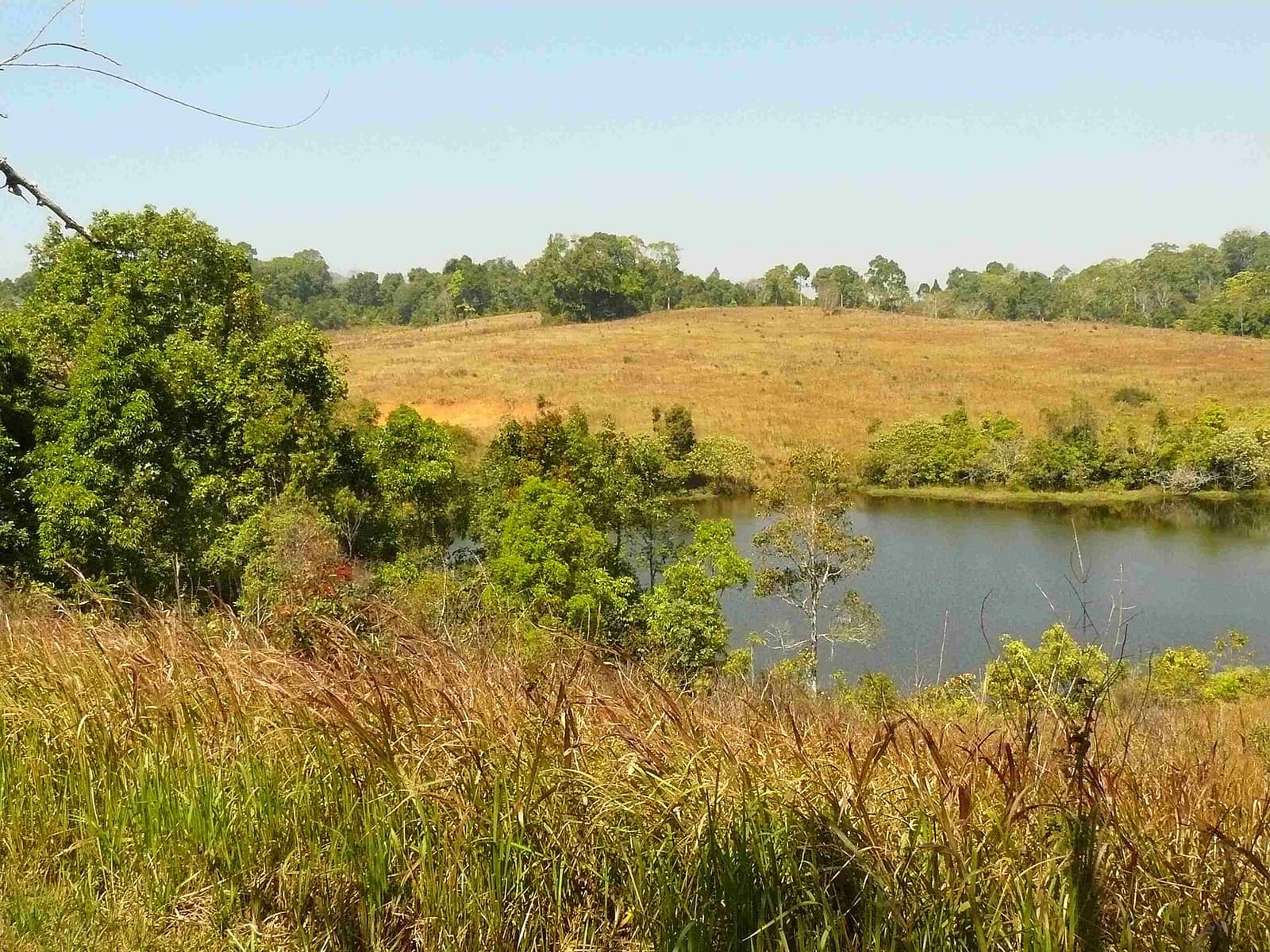
Established in 1962 as the country’s first national park, Khao Yai covers more than 2,000 square kilometres of evergreen forest and grassland on the edge of the Khorat plateau. With the neighbouring reserves it forms the Dong Phayayen–Khao Yai Forest Complex, a UNESCO World Heritage Site. A paved road crosses the park, passing viewpoints, salt licks, a visitor centre, campsites and the trailheads for waterfalls.
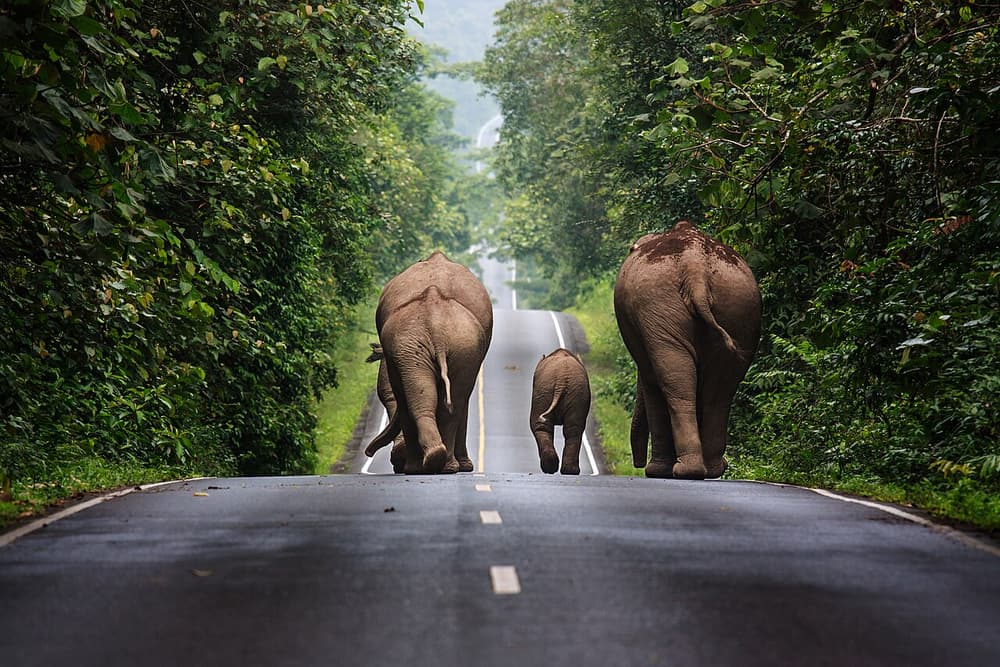
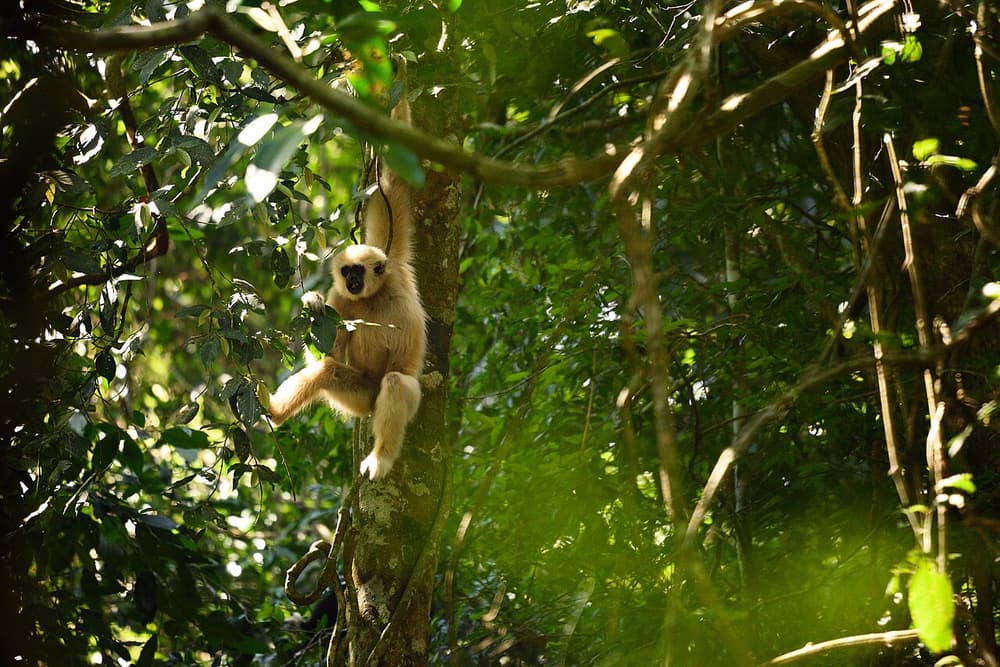
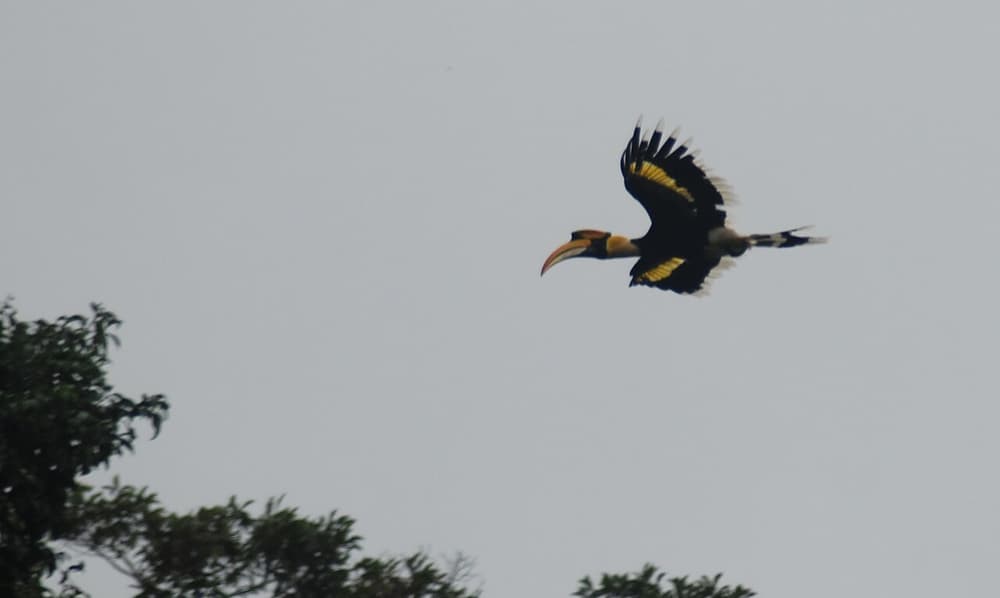
Wildlife is the reason to come. The park is home to a few hundred wild Asian elephants, white-handed and pileated gibbons, four species of hornbill, sambar and barking deer, macaques, porcupines, civets and — rarely seen — bears and gaur. A good local guide with a spotting scope makes an enormous difference to what you see.
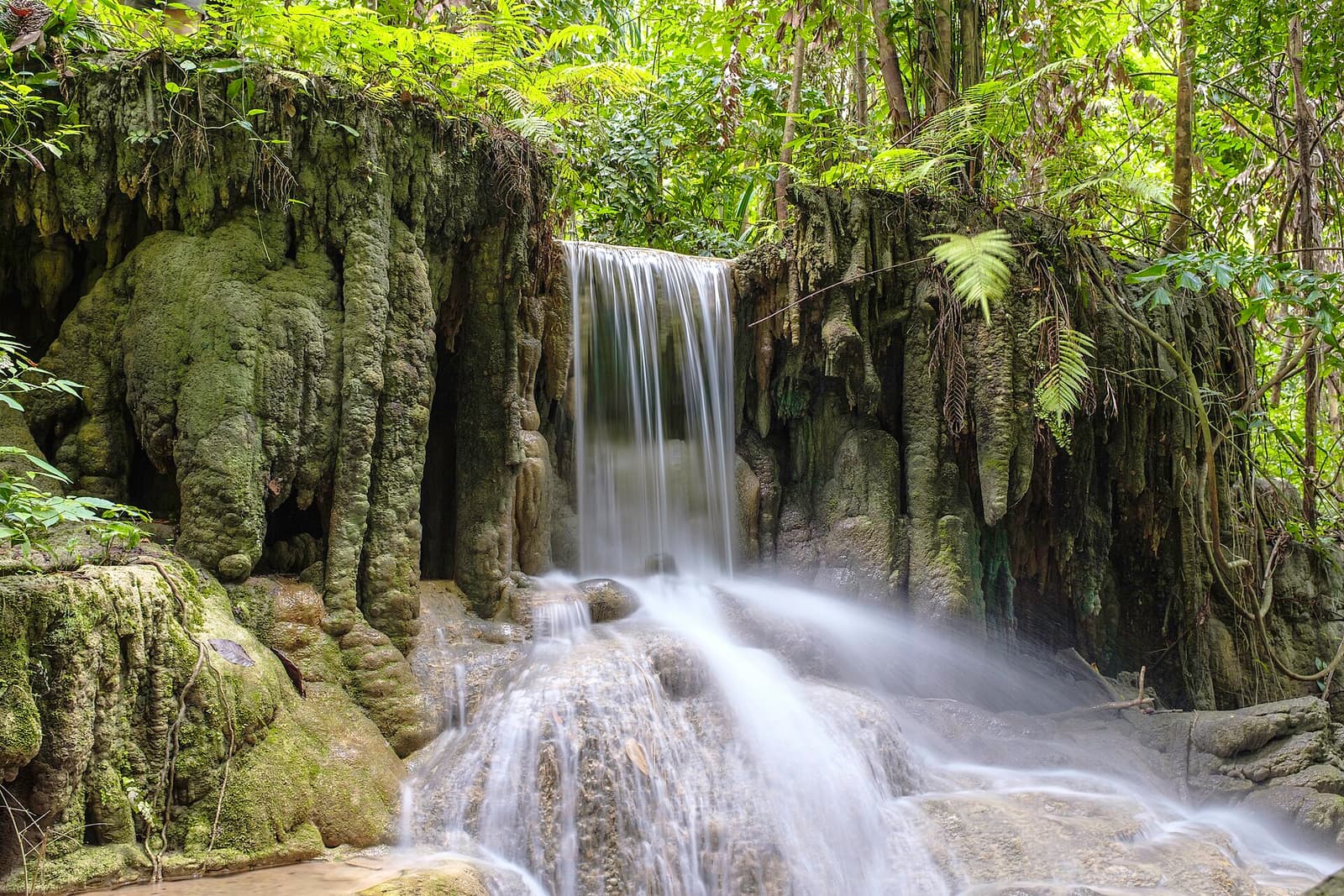
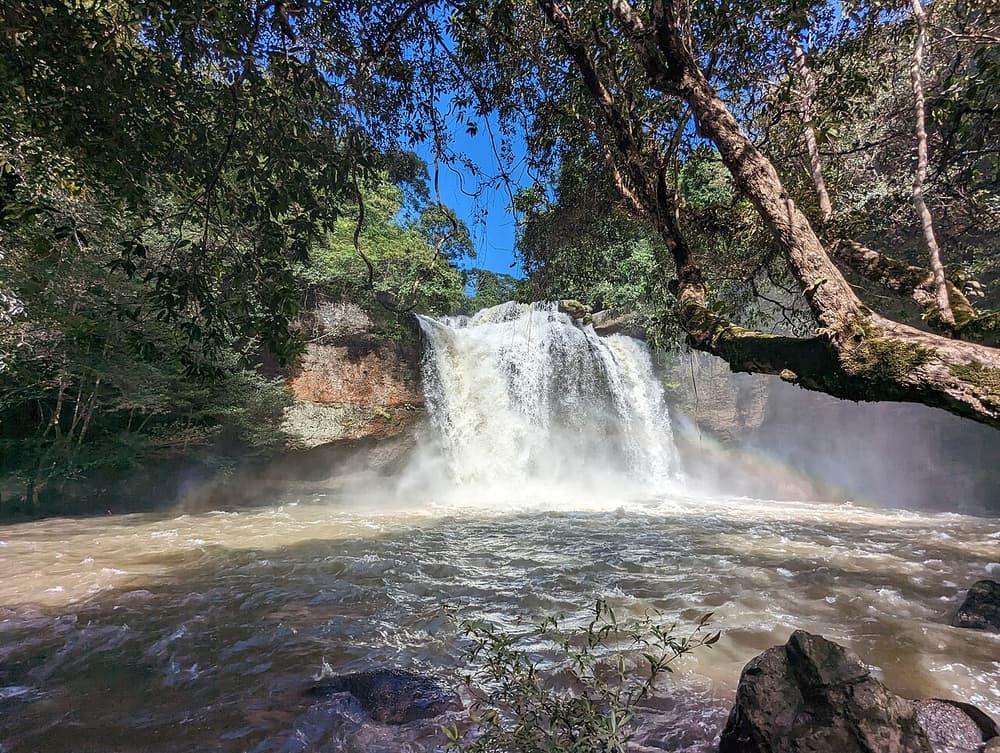
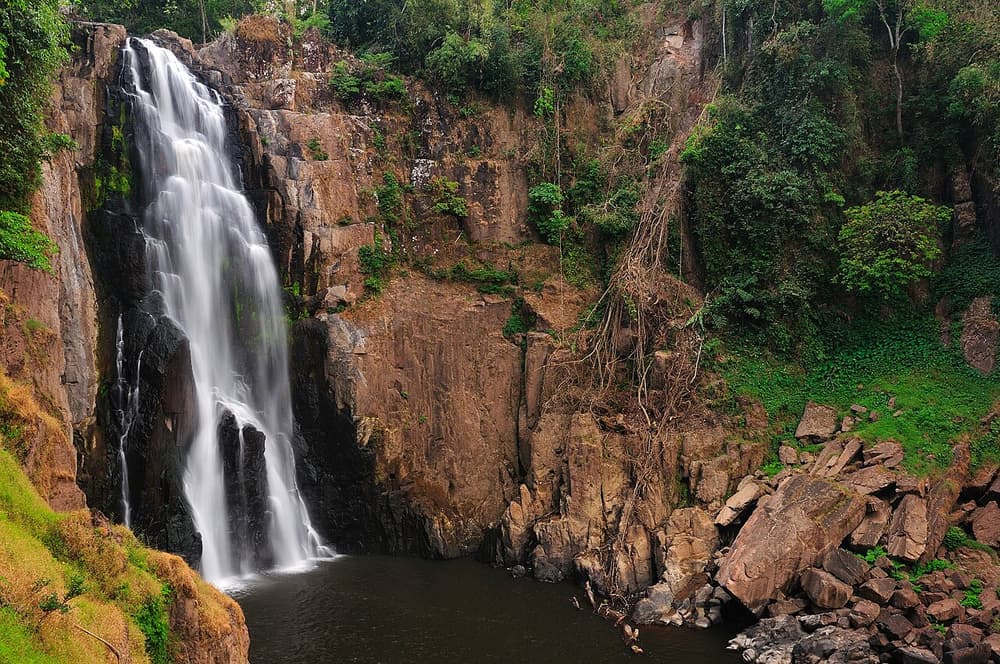
Days are spent on jungle trails, at the Haew Suwat and Haew Narok waterfalls and scanning from observation towers; at dusk, millions of bats pour from a cave just outside the boundary, and after dark park rangers run spotlight night safaris. Khao Yai pairs naturally with Bangkok or with a longer journey north.
Highlights
- Watch for wild elephants at the salt licks and along the park road
- Hear gibbons calling through the canopy at dawn
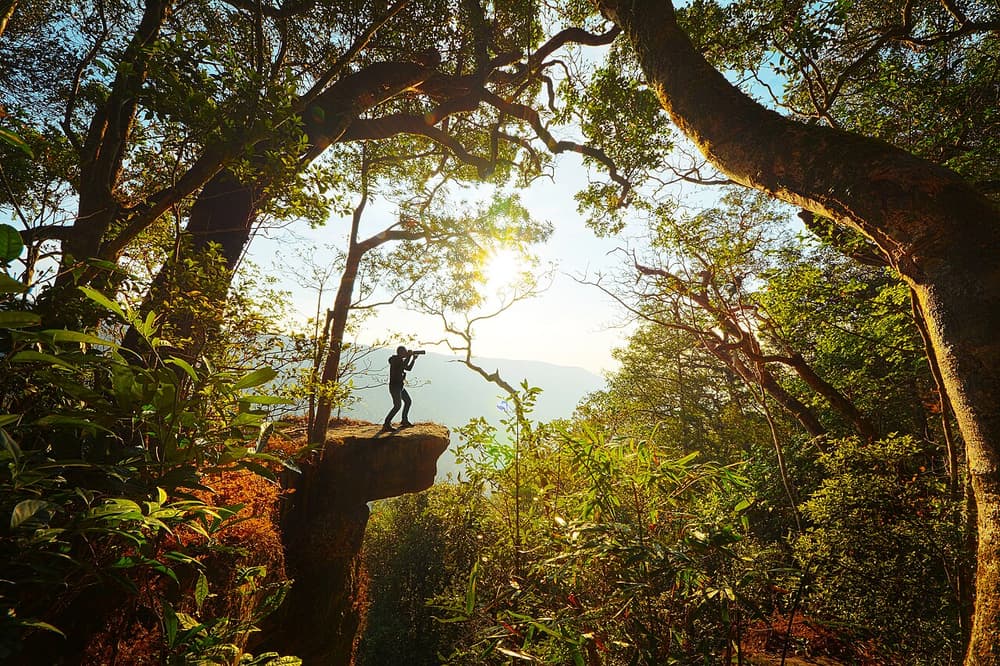
- Trek through the rainforest with a naturalist guide
- See Haew Narok, the park’s tallest waterfall, in full flow
- Watch the evening bat exodus from a hillside cave
- Join a ranger-led night safari
Khao Yai in pictures
How long to stay and where to base yourself
A day trip from Bangkok shows you the waterfalls and a slice of forest. For wildlife you need to be in the park early and late, which means two nights nearby and a full day or more inside with a guide.
Most accommodation is outside the northern gate, along Thanarat Road between Pak Chong and the park — from simple guesthouses that run their own wildlife tours to golf resorts and vineyards. Inside the park there are basic bungalows and two campsites with tents for hire, booked through the national parks department.