The sights
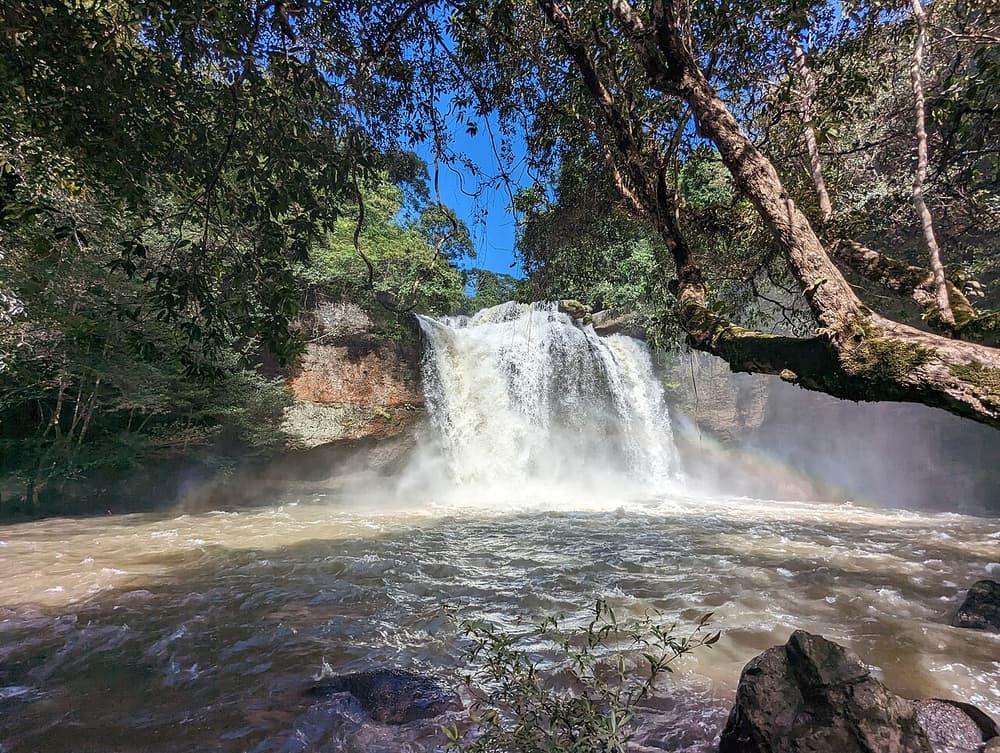
Haew Suwat waterfall
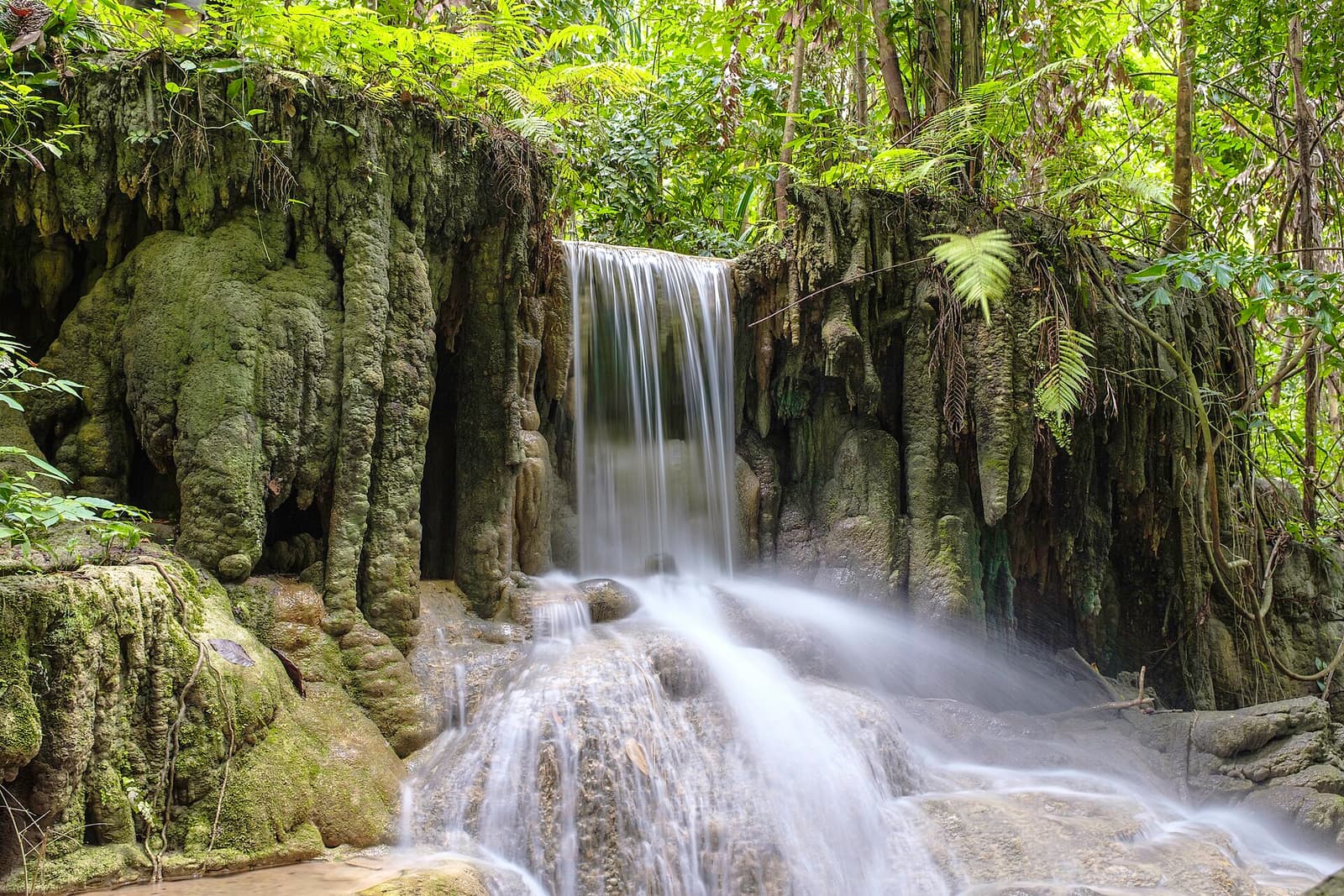
A 20-metre fall that drops over a rock lip into a wide pool, familiar from the film “The Beach”. A short stairway leads down from the car park, and a forest trail connects it with the Pha Kluai Mai campsite.
ℹ️ Inside the park, about 13 km from the visitor centre. Swimming is not allowed. Strongest June–November; allow 30–45 minutes.
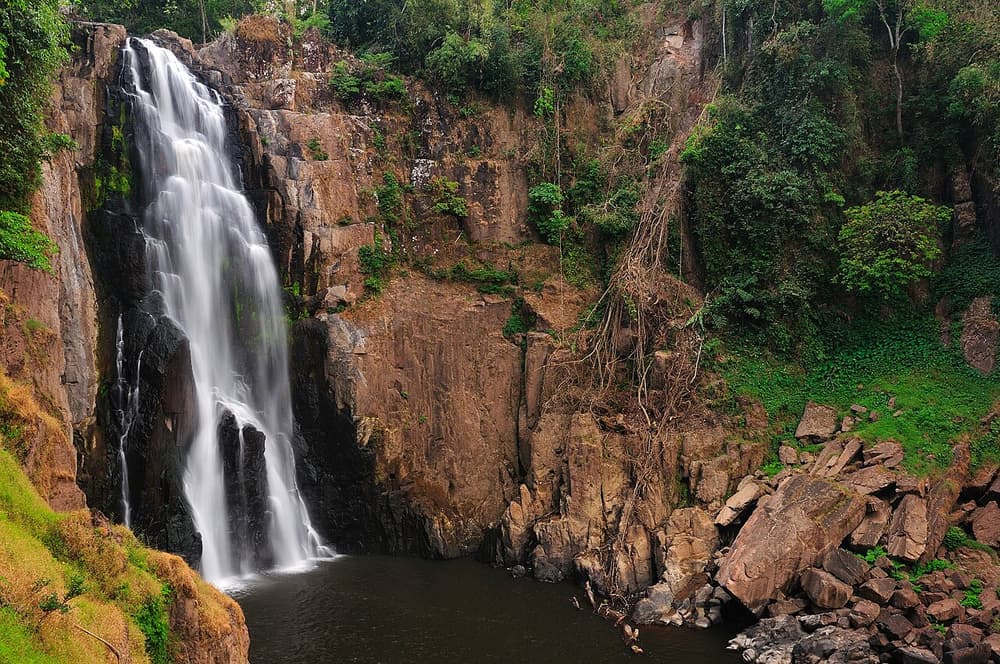
Haew Narok waterfall
The park’s largest fall, plunging about 150 metres in three stages in the southern section. A path and a long, steep staircase descend to a viewing platform facing the first drop.
ℹ️ About 1 km walk from the road, with some 200 steep steps. At its most powerful in the rainy season; can be nearly dry from March to May.
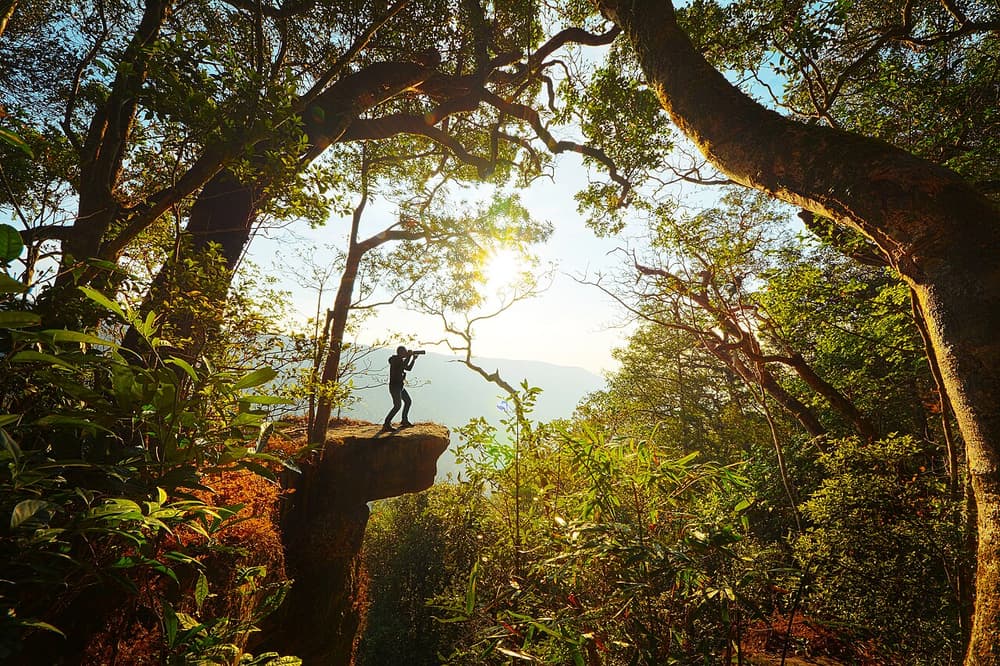
Pha Diao Dai cliff viewpoint
A short boardwalk loop through mossy montane forest ends at a rock ledge on the park’s high ridge, with a view south over unbroken forest. Mornings often bring a sea of mist below.
ℹ️ Near the Khao Khieo radar station, at around 1,100 m. The loop takes 20–30 minutes. Cooler than the rest of the park; bring a layer.
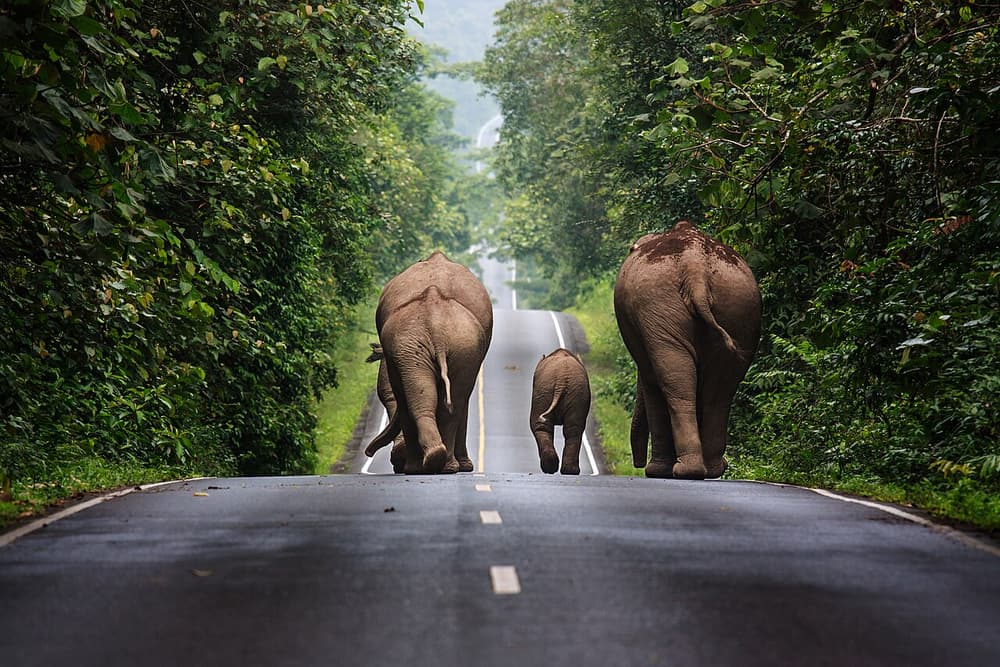
Wild elephants & the salt licks
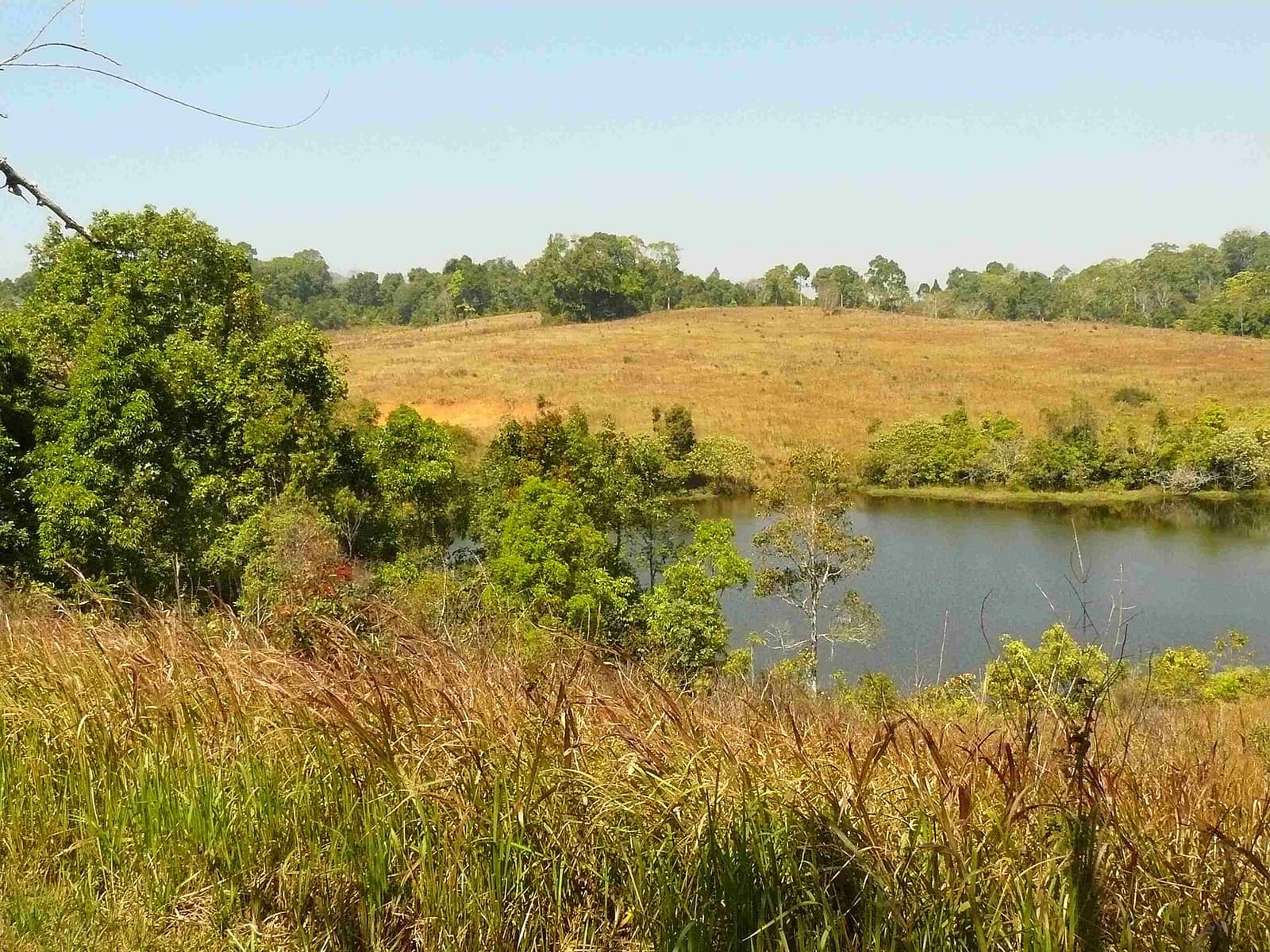
Elephants visit roadside mineral licks and grasslands, mostly in the late afternoon and after dark, and sometimes walk along the road itself. Seeing a family group emerge from the forest is the park’s great thrill.
ℹ️ Never guaranteed; chances are best at dusk. Observe from a vehicle or a tower and follow ranger instructions.
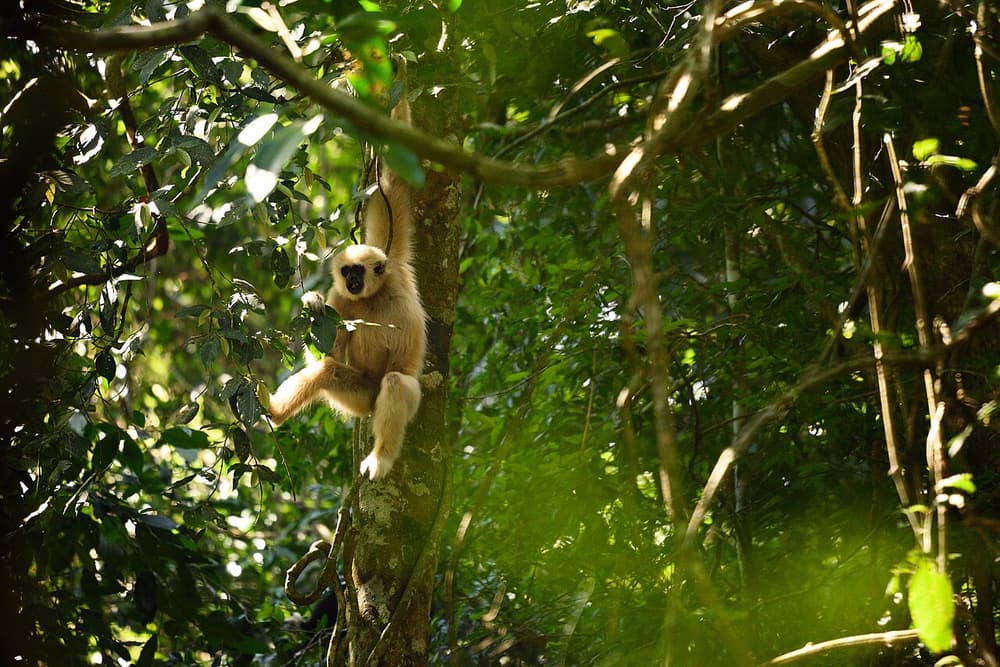
Gibbons & the forest trails
Several marked trails start near the visitor centre, from 1 km loops to routes of half a day. White-handed gibbons are heard most mornings and often seen swinging through the high canopy.
ℹ️ Longer trails must be walked with a ranger or guide; people do get lost. Start at dawn for wildlife. Leech socks advised in the rains.
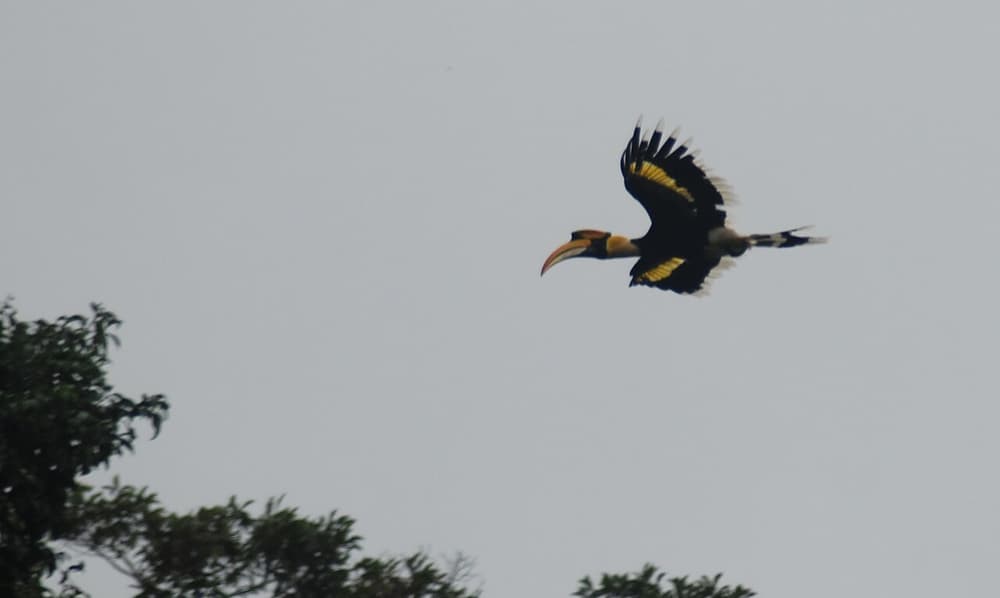
Hornbills & birdwatching
Khao Yai is one of the best places in South-East Asia to see great and wreathed hornbills, whose wingbeats can be heard before they appear. More than 300 bird species have been recorded, and fruiting fig trees draw crowds of them.
ℹ️ Best from the Nong Phak Chi observation tower and along the road early in the morning. Binoculars are essential.