Where to base yourself
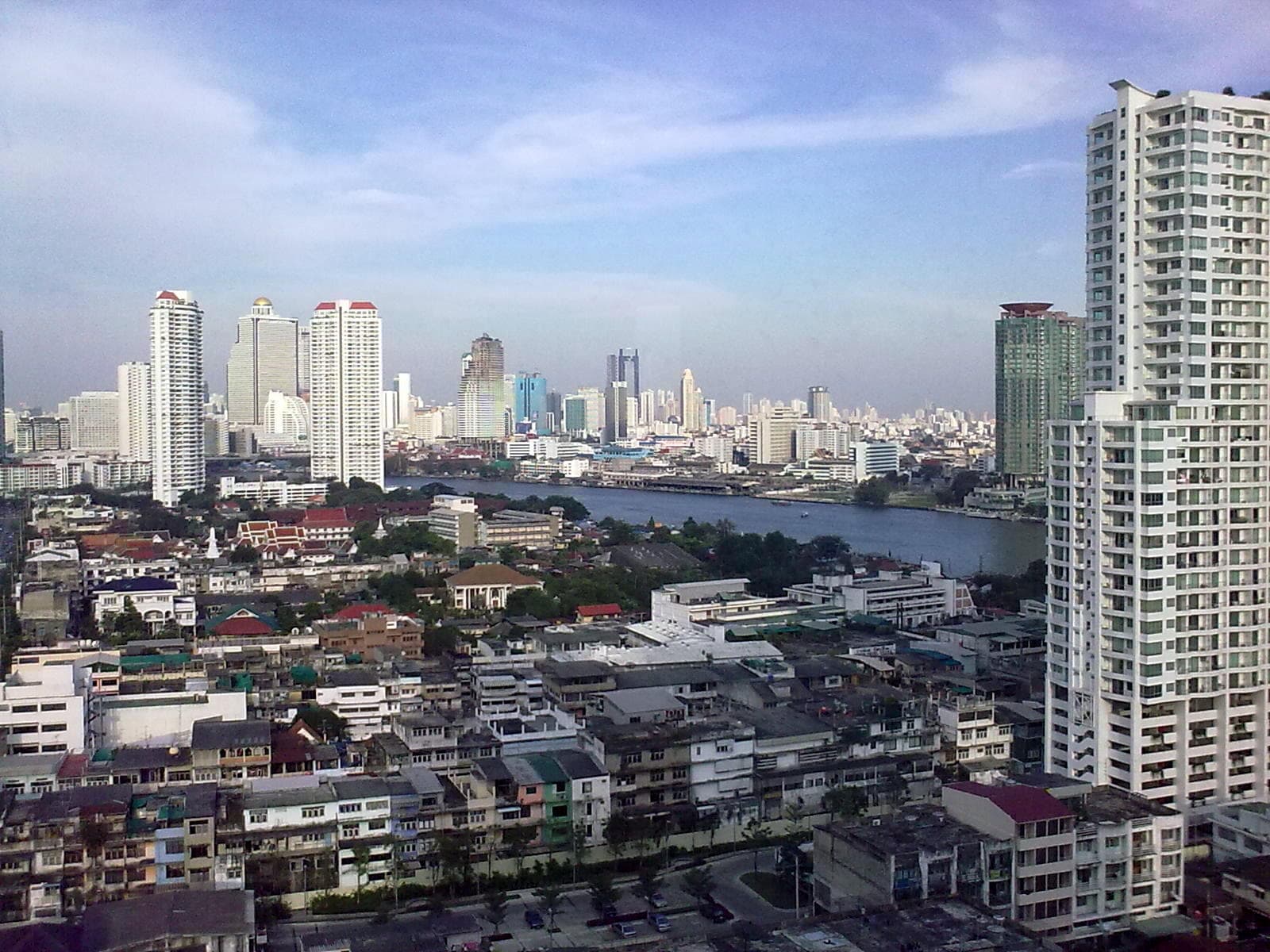
Riverside and Old City: closest to the Grand Palace, Wat Pho, Wat Arun and the boat piers; atmospheric, with fewer rail links. Chinatown: food and old shop-houses, with an MRT station. Silom and Sathorn: business district near Lumpini Park, good transport. Sukhumvit: the widest range of hotels, restaurants and nightlife along the BTS line.
Active Bangkok
Joggers and walkers share Lumpini Park with its resident monitor lizards from dawn; a raised walkway links it to Benjakitti Forest Park. Bike tours run morning, afternoon and night. Muay thai gyms across the city accept drop-in visitors, from one-hour introductions to full training days — start gently in the heat.
Food
Street food is the city’s great pleasure and is generally safe where turnover is high: look for busy stalls cooking to order. Try boat noodles, pad kra pao (basil stir-fry with a fried egg), grilled pork skewers with sticky rice and mango sticky rice. A guided food tour is a good first-night introduction.
Money and costs
ATMs are everywhere but charge foreign cards a fixed fee per withdrawal, so take out larger amounts less often. Bangkok can be very cheap or very expensive: public transport and street food cost little, while rooftop bars and fine dining are priced like any world city.
Safety
- The classic scam is a friendly stranger telling you a sight is “closed today” and steering you to a tuk-tuk. It is almost never closed.
- Traffic does not stop for pedestrians; use footbridges and marked crossings with lights.
- From March to May the heat is intense: drink often and plan indoor breaks at midday.
- Thailand’s monarchy and Buddhist images are treated with great respect; behave accordingly at temples and royal sites.
Region-wide advice on visas, money and health is in our Thailand travel guide.
Combine your trip
Planning the Temple of Dawn in detail? Our Wat Arun visitor guide covers opening hours and tickets, the dress code, the cross-river ferry and the best places to watch the sunset.
Sample plans
1 day: the active essentials
Morning bike tour through the backstreets and along the canals. Afternoon at the Grand Palace and Wat Pho, then the ferry to Wat Arun for sunset. Dinner in Chinatown.
2 days: river, ring and street food
Day 1 as above. Day 2: cycle Bang Krachao in the cool of the morning, rest through the midday heat, take a beginners’ muay thai class or watch the fights at Rajadamnern, and finish with a tuk-tuk food tour.
4 days: Bangkok and beyond
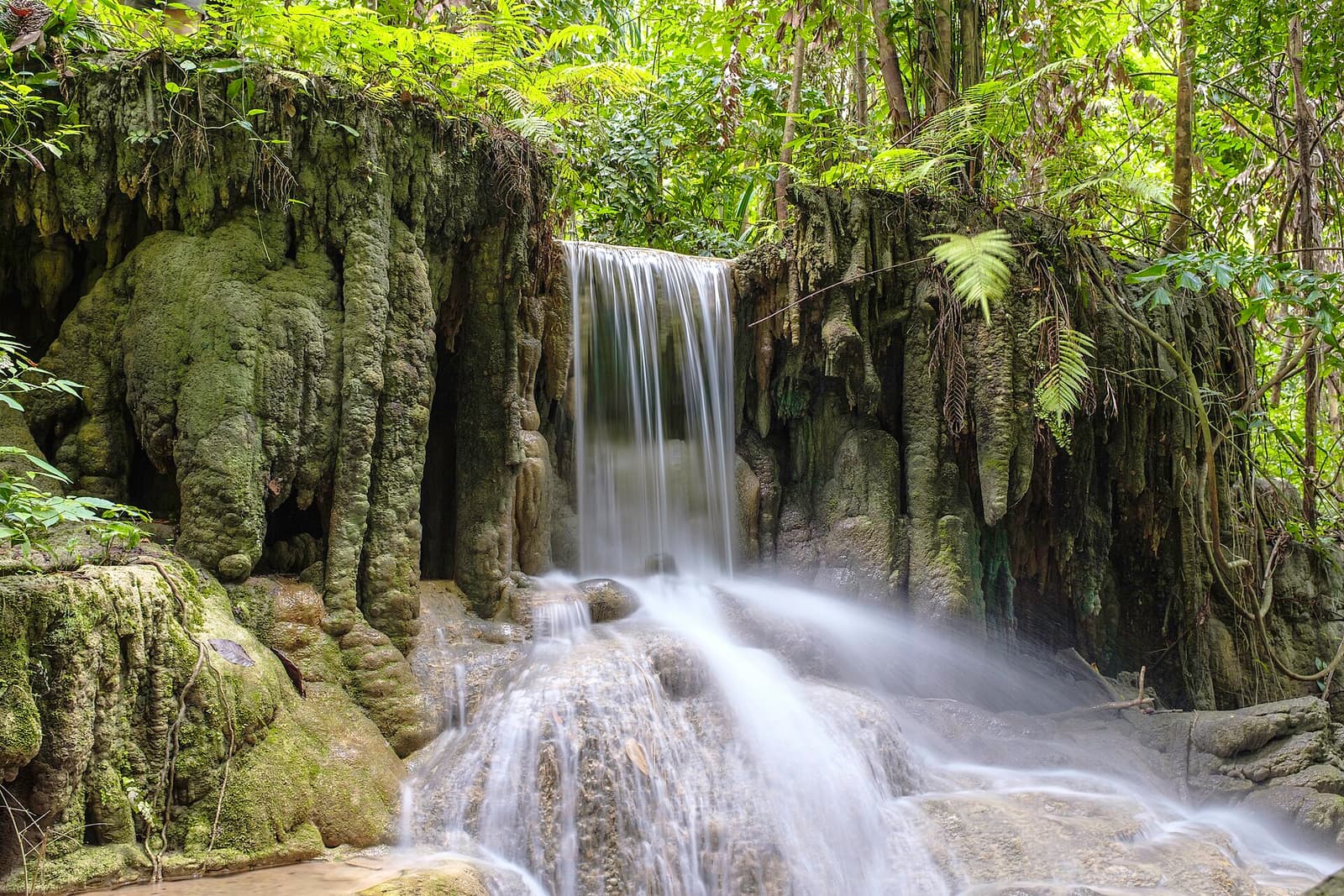
Add a day in Ayutthaya, exploring the ruins by bicycle, and a day trip west to Erawan Falls and the River Kwai — or leave on the overnight train to Chiang Mai.