Where to base yourself
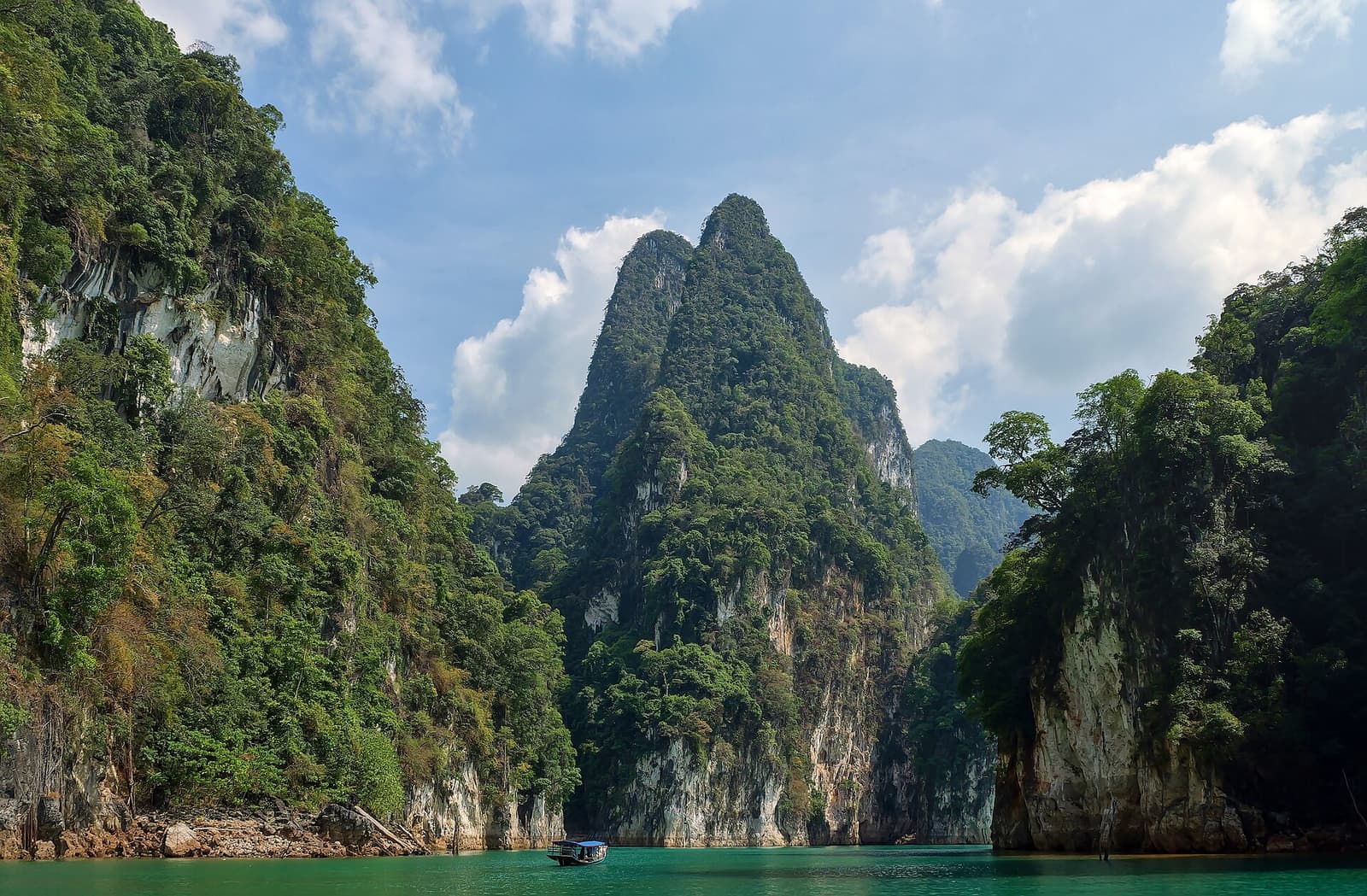
In town, the riverside guesthouse area is walkable, sociable and close to the station. Raft houses on the Kwae Noi near Sai Yok range from simple bamboo rooms to floating villas; some have no mains electricity, by design. Resorts on the Kwae Yai towards Erawan make an early start at the falls easy.
On the water
Local operators run guided kayak trips down gentle stretches of the Kwae Yai and Kwae Noi, as well as stand-up paddleboarding and bamboo rafting; many raft houses also let you simply float downstream in a lifejacket and be collected. The rivers run faster and browner from August to October.
Further afield
Sai Yok National Park has riverside falls, caves and teak forest. Far up the valley, Sangkhlaburi is a lakeside Mon and Karen town with a long wooden footbridge. Huay Mae Khamin waterfall in Srinakarin Dam National Park rivals Erawan with a fraction of the visitors, but needs your own transport.
Food and practicalities
- Eat at the night market near the railway station and at floating restaurants by the bridge; river fish and jungle curries are local specialities.
- ATMs are plentiful in town, absent at the parks.
- Macaques at Erawan steal bags and food. Do not feed them, and keep belongings zipped.
- March to May is extremely hot here — among the hottest places in Thailand. Start early.
Sample plans
1 day from Bangkok
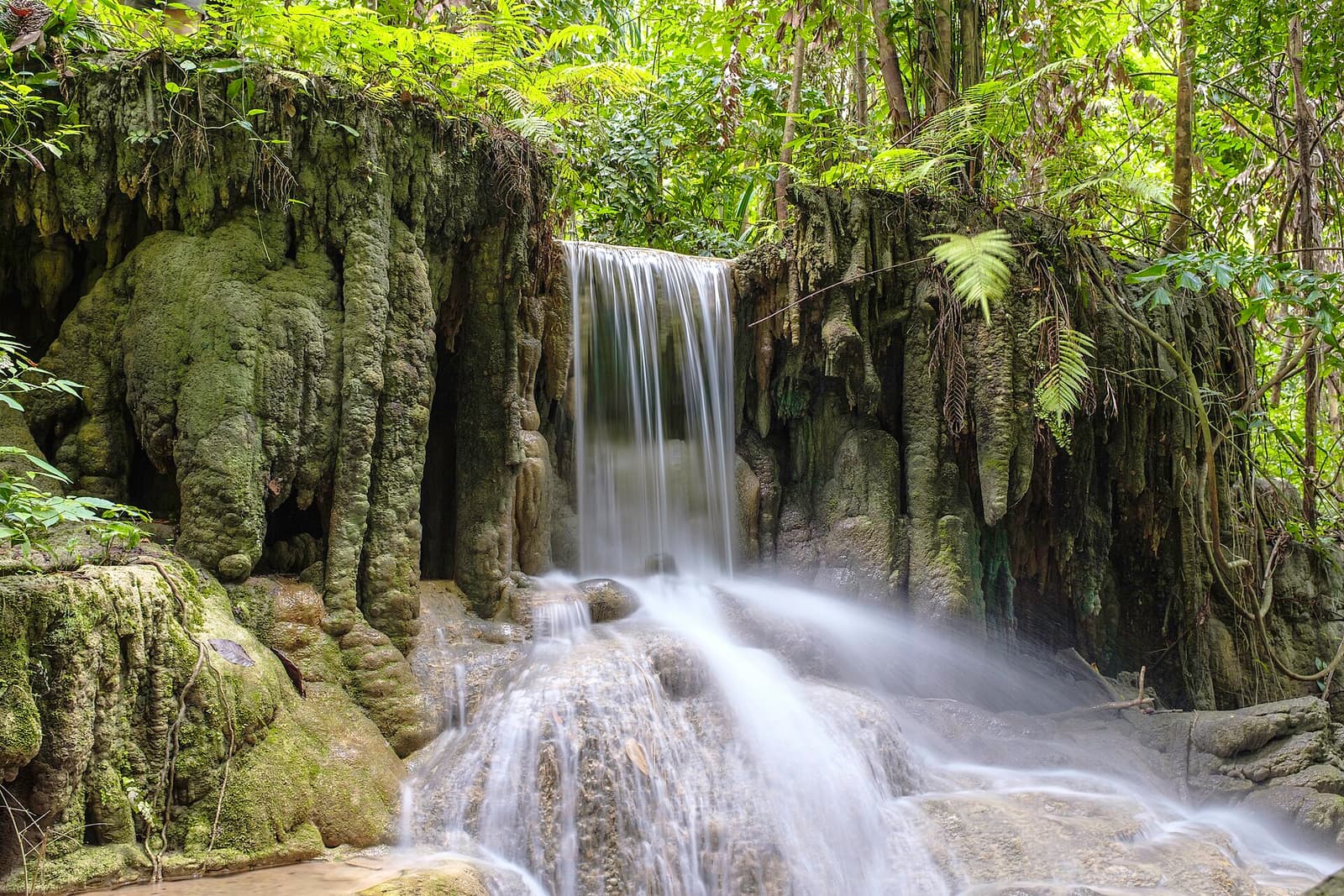
Leave by 6 am. Morning at Erawan Falls, climbing as far as the fifth tier; lunch; then the Bridge over the River Kwai and the War Cemetery before returning. Long, but it works on an organised tour.
2 days: falls and railway
Day 1: bus or train from Bangkok, the Railway Centre and cemetery, sunset at the bridge. Day 2: first bus to Erawan and all seven tiers, back by mid-afternoon — or swap for the morning train to Nam Tok and Hellfire Pass.
3 days: add the river
Do both Erawan and the railway day, then move to a raft house near Sai Yok: kayak or float the Kwae Noi, visit Sai Yok Noi waterfall and listen to the forest at night.